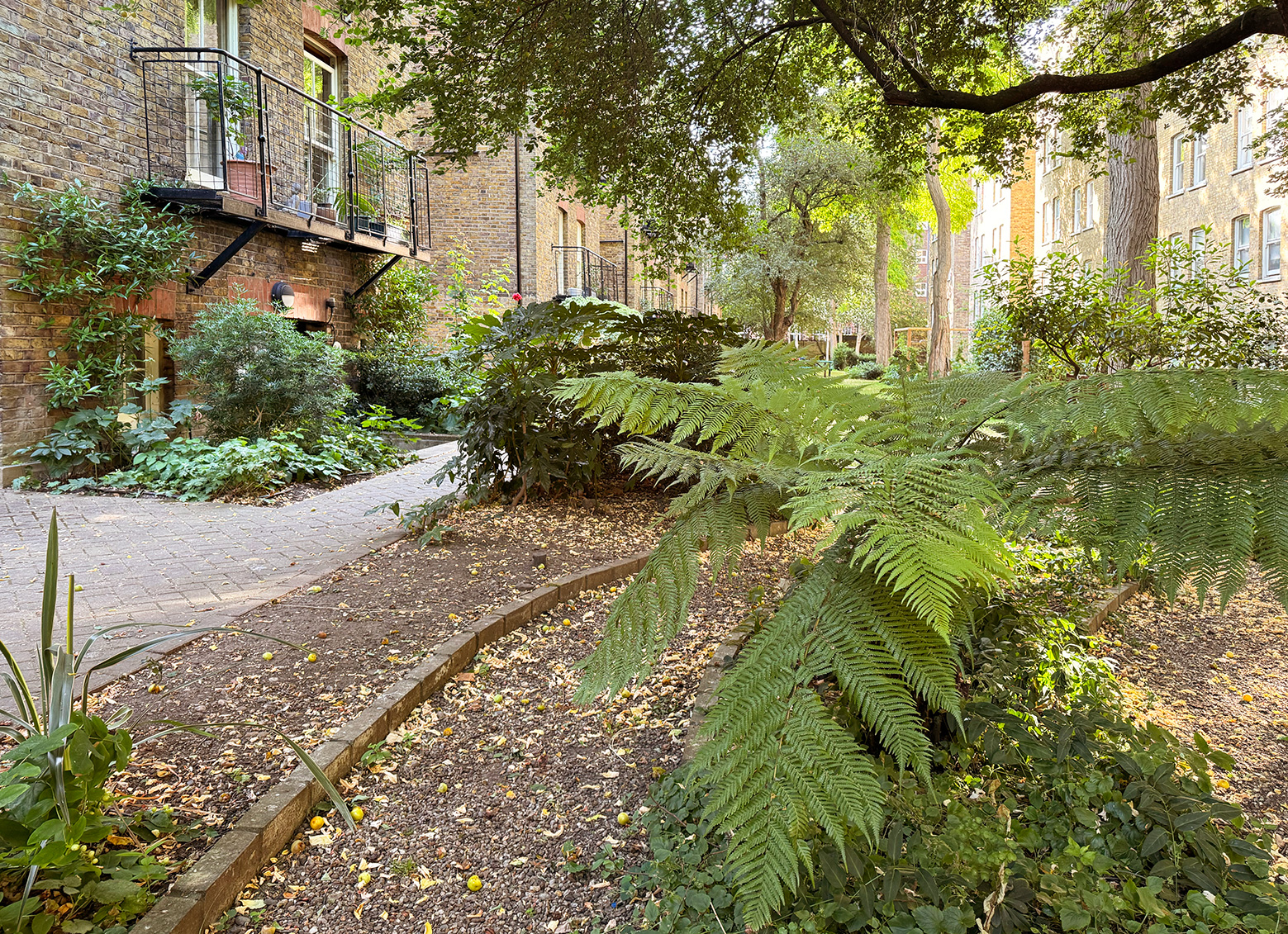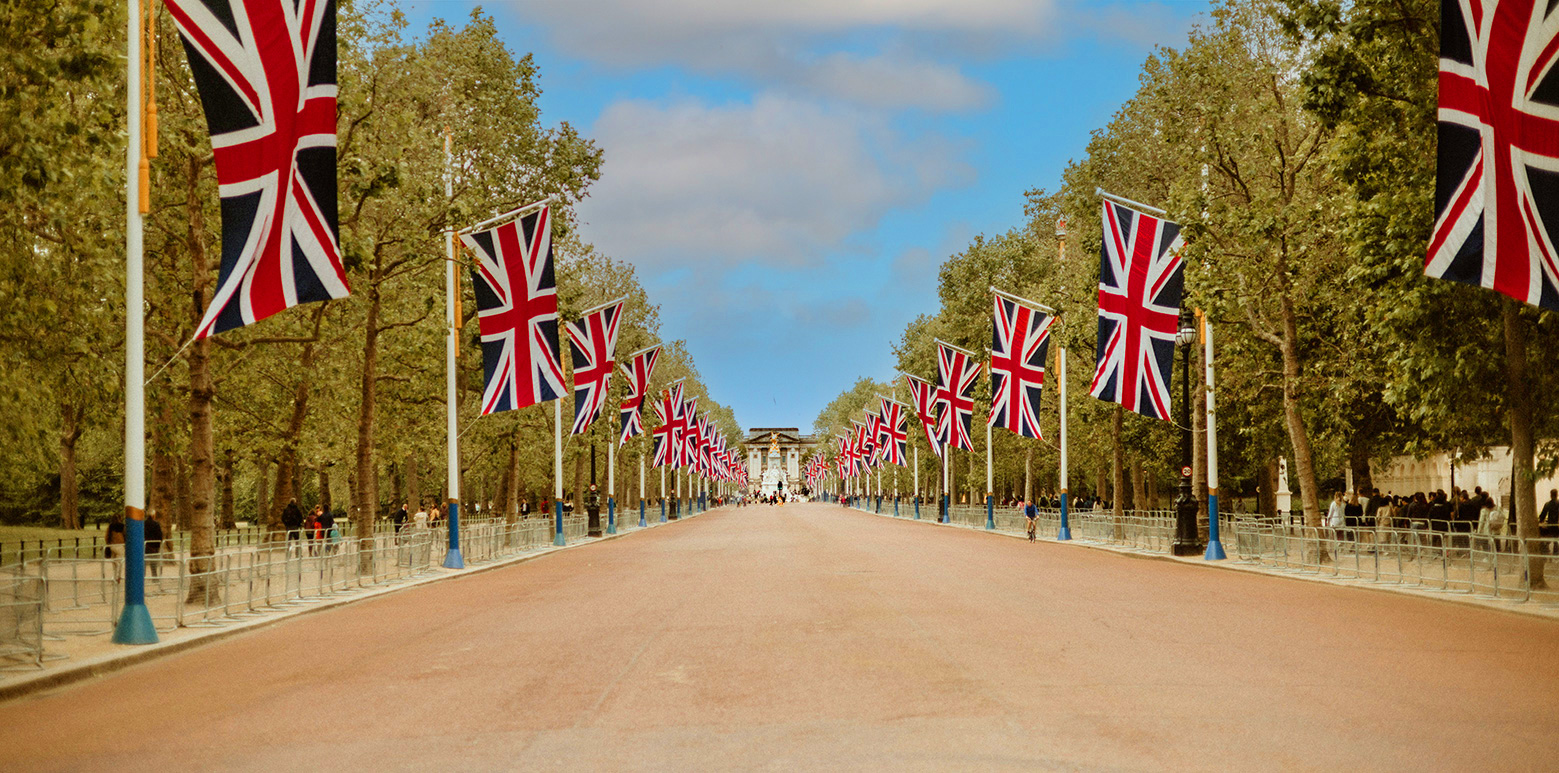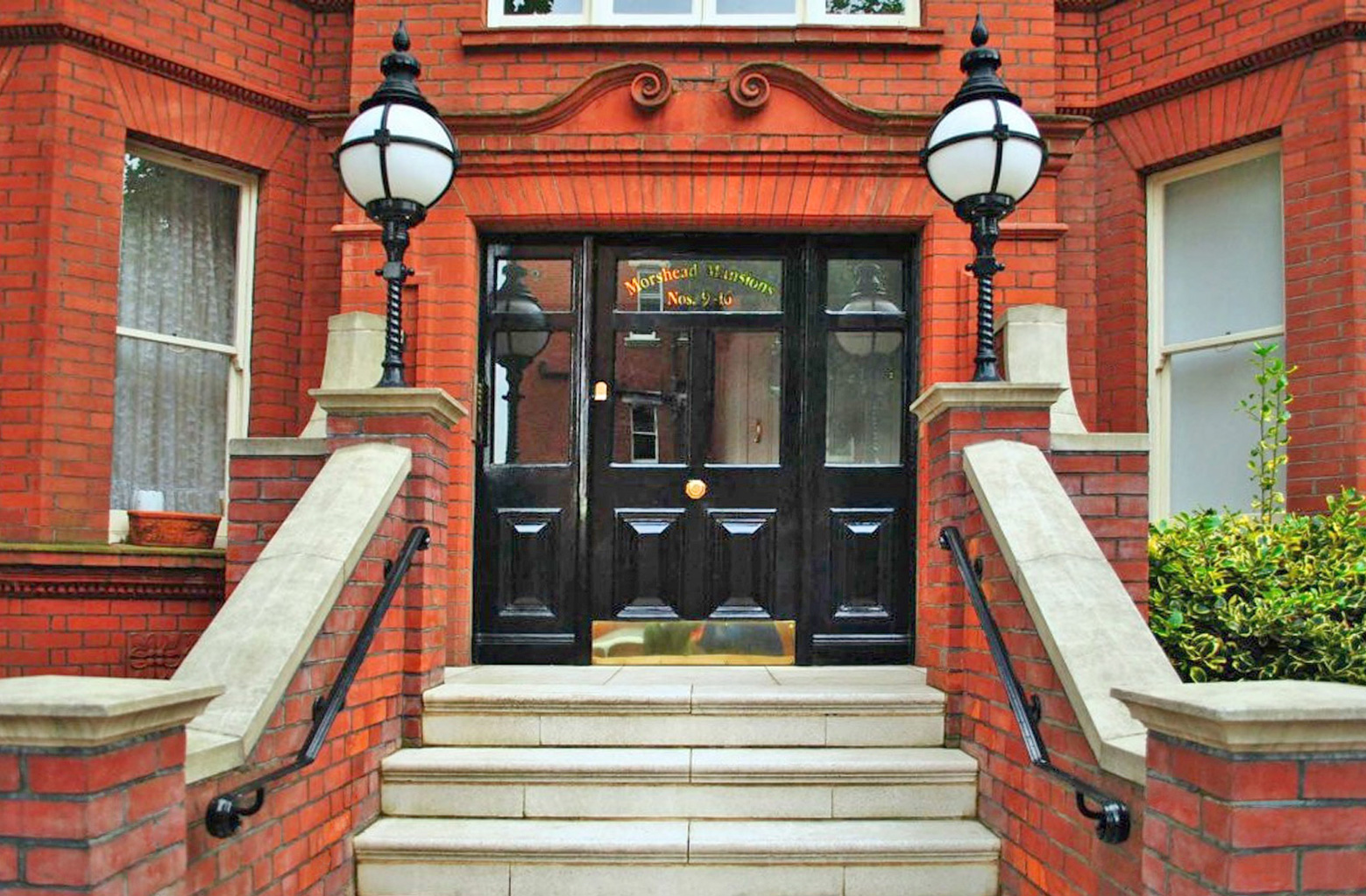
The first red brick mansion block to be built in London is thought to be Albert Hall Mansions in Kensington, which was designed by Richard Norman Shaw and constructed in 1876. Designed in the ‘Queen Anne Revival’ or ‘Kensington Style’, the idea was to go for a more ‘fashionable’ aesthetic using red bricks. This differentiated the new mansion blocks from those previously built with the more common yellow bricks, used widely in late Georgian urbanisation.
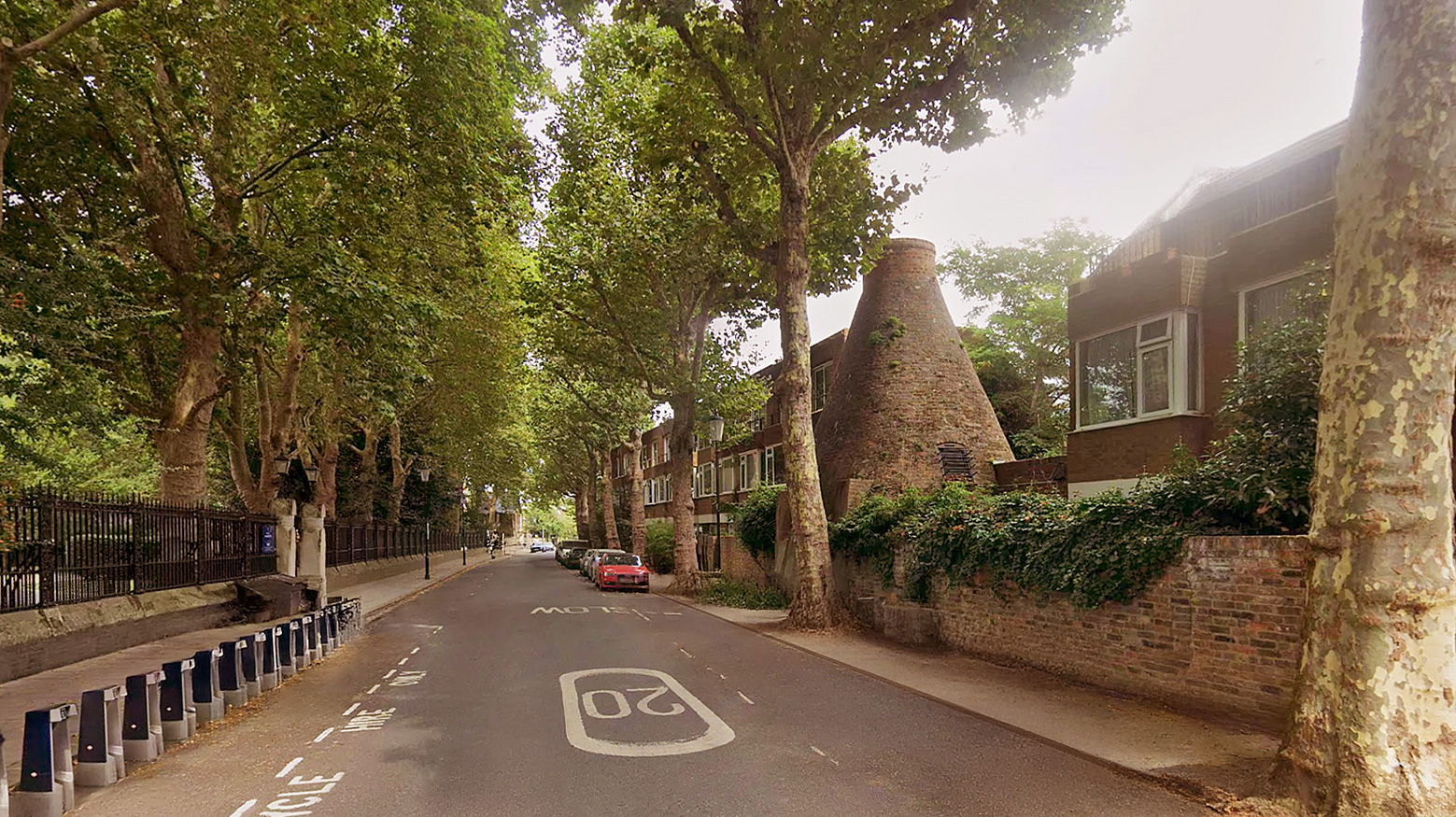
The yellow bricks were made from London clay and during the 1800’s London was awash with brick-making businesses. These could be found in places such as Brick Lane, Kiln Place in Camden and Notting Hill’s Pottery Lane, which still has an original Georgian brick kiln, standing in the adjacent Walmer Road.
As London grew, more industrial areas were being developed for housing, much like development today. The growth of the Mansion Block coincided not only with the decline of London brick makers but also improved rail and canal networks. This made it more cost-effective to transport mass produced iron-rich, red-firing clays from outside London, predominantly from areas such as Essex, Kent and Sussex, and even as far north as the Midlands and beyond.
At the time when Mansion Blocks started appearing, flat living was largely associated with low-income housing, so using high-quality red brick, combined with decorative ornate finishings, greatly helped to overcome this stigma and open up a whole new way of living for the middle classes and the wealthy.
Red bricks were also often more resistant to the acidic soot and heavy pollution of Victorian London than the more porous local yellow bricks, helping these prestigious buildings maintain their appearance over time.
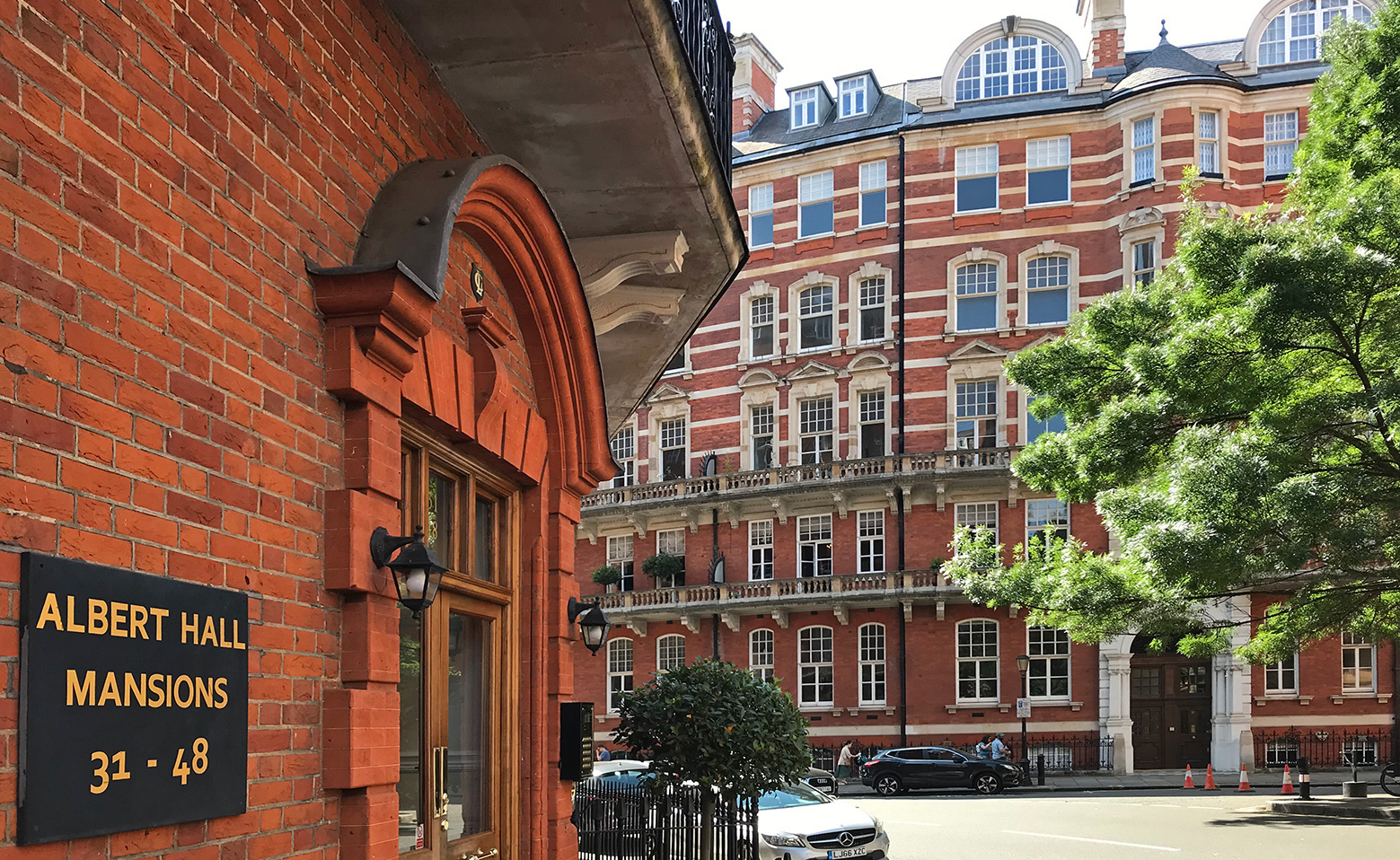
There’s no doubt that the introduction of red brick had a positive and lasting effect on London’s architecture. Red brick mansion blocks can be found in some of the capital’s most sought-after areas. These include Knightsbridge, Mayfair, Kensington, Regent’s Park, Marylebone, St John’s Wood, Maida Vale, Hampstead, Chelsea, Battersea, Fulham and Chiswick, and residents of Morshead Mansions are fortunate to live in arguably one of the most beautiful examples of the style.
If you’d like to find out more, why not read our previous post on The History of London’s Mansion Blocks by clicking here.