It’s that time of year again when many Morshead Mansions residents will be thinking about decorating their flats to get into the Christmas spirit. For those who are fond of real Christmas Trees, you may be wondering where to look to find one.
For many years, the site of the 123 Launderette, on the corner of Elgin Avenue and Shirland Road, has had an annual pop-up shop where you could conveniently buy your tree. However, with the property now undergoing re-development, this is no longer the case.
Where can you find real Christmas Trees locally?
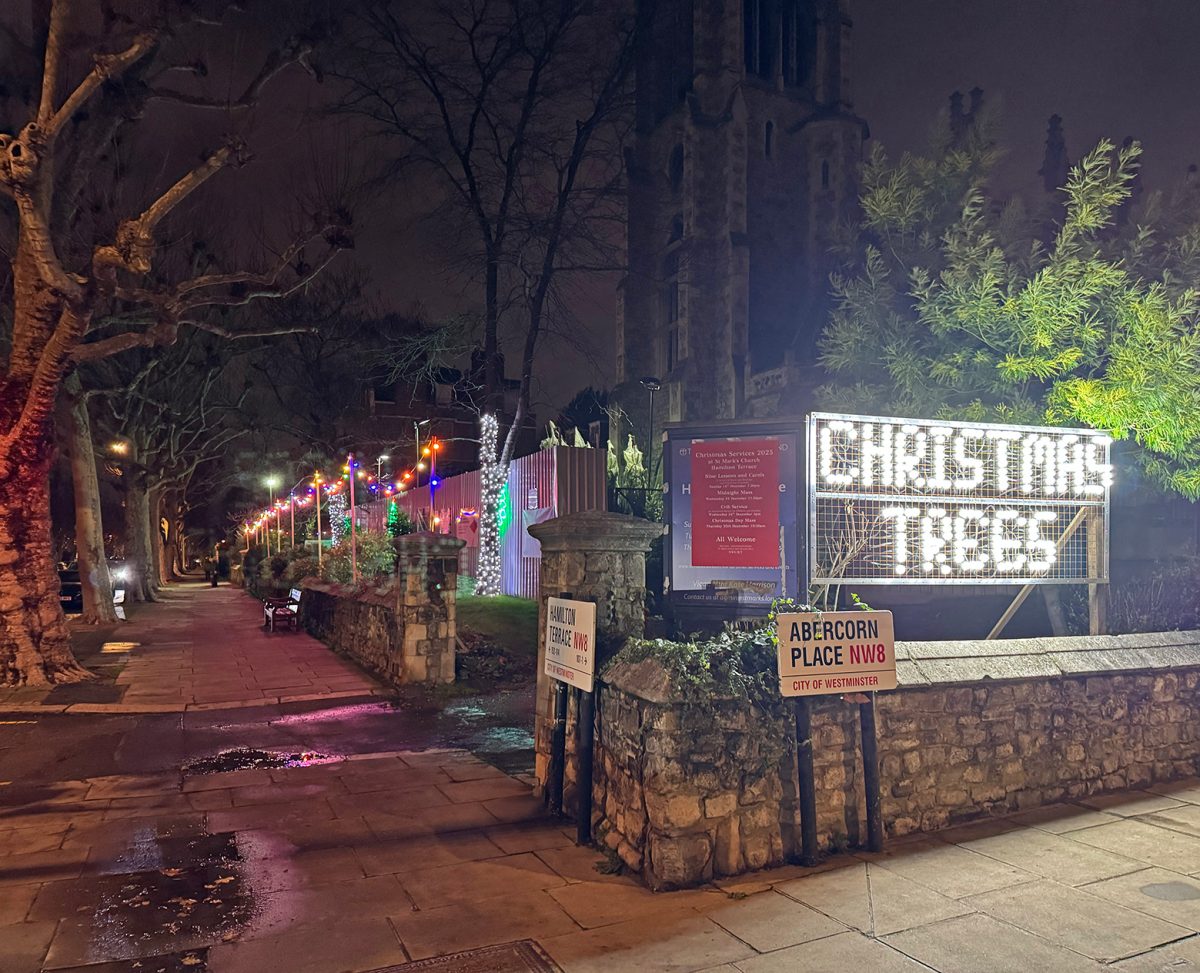
Pines and Needles, the company that used to sell on the launderette site, have an alternative shop which is fairly close to Morshead Mansions. If you head east along Elgin Avenue and over the Maida Vale junction, you can’t miss it. At the corner of Abercorn Place and Hamilton Terrace is St Mark’s Church, where they have a shop outside the Vicar’s residence. They are open from 9am-9pm on weekdays and 8am to 8pm on the weekends.
Clifton Nurseries
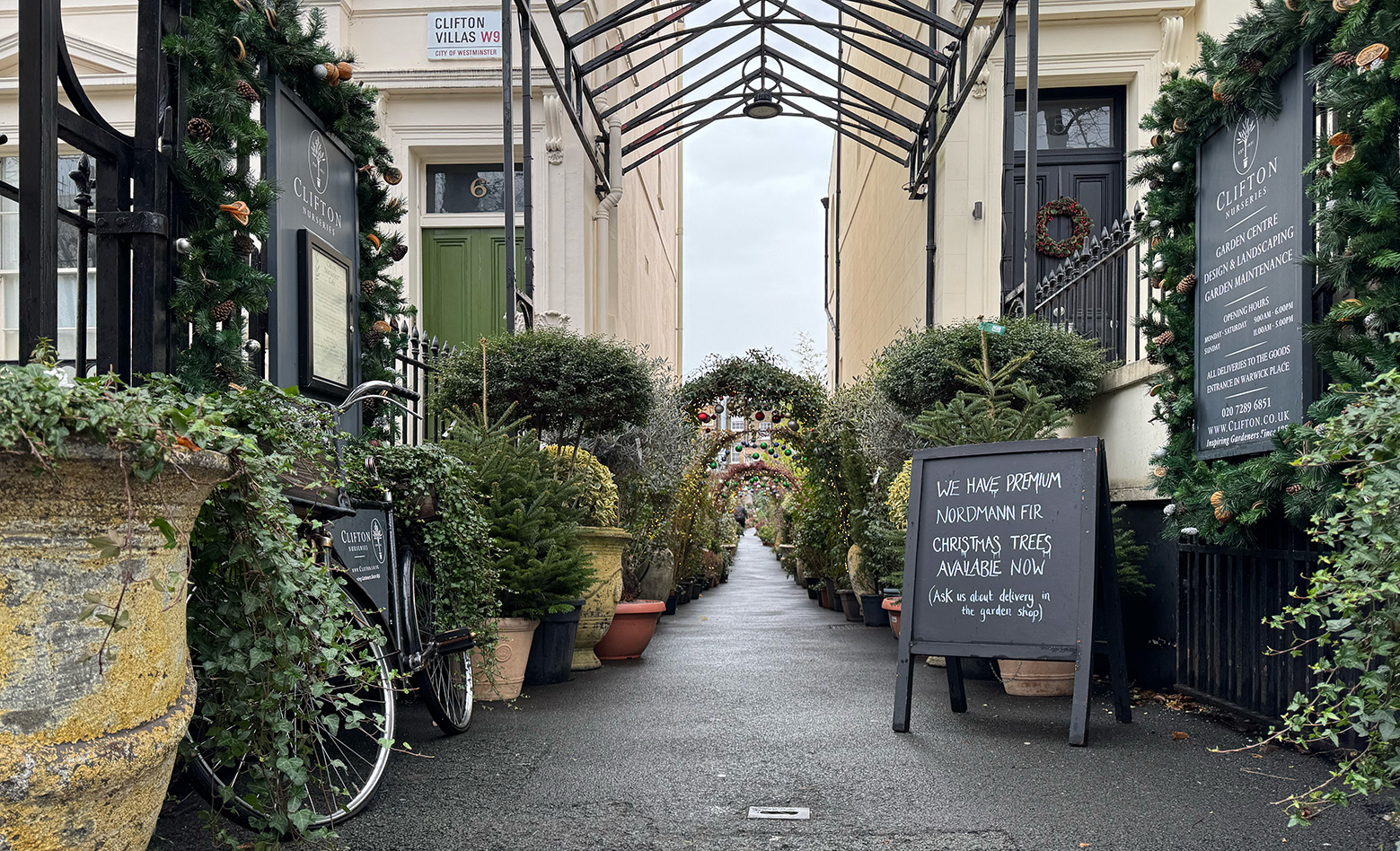
Located at 5a Clifton Villas, Clifton Nurseries also have a large selection of Nordmann Fir Christmas Trees. They are open from 9am to 6pm every day except Sunday, when opening times are 11am to 5pm. Clifton Nurseries also offer a delivery service for convenience.
Recycling your Christmas Trees
As with previous years, Westminster Council will have over 25 recycling sites where you can drop your tree off once the Festive Season is over.
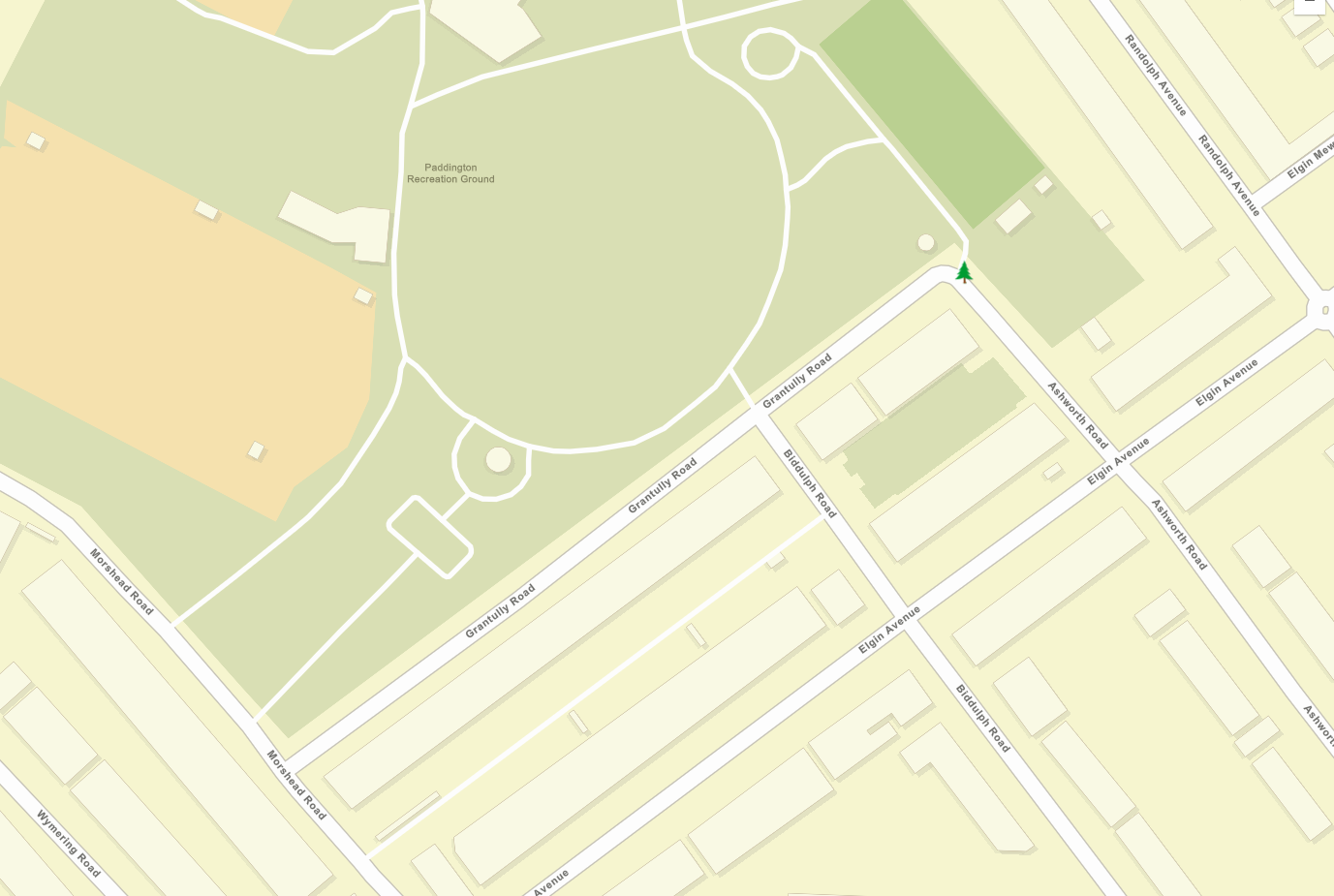
The closest site to Morshead Mansions will be on the corner of Grantully Road and Ashworth Road, just a short walk from the block. Only trees taken to recycling points will be recycled and turned into woodchip and soil improver, so please don’t leave them on the street or anywhere else other than the designated sites.
We would kindly ask that residents carrying Christmas Trees in and out of the blocks take all necessary care not to damage any of the internal decorations. We wish all residents a Merry Christmas and a very Happy New Year!
Are you looking for a new dentist that’s close to Morshead Mansions?
With London being so transient and people often moving from one area to another, finding a local and reliable dentist can sometimes be quite challenging. Fortunately, Morshead Mansions residents are lucky to be surrounded by quite a few Maida Vale Dental Practices, a selection of which are highlighted below.
These are listed for informational purposes only, as we’re not specifically recommending any of the practices highlighted. We’d always advise that you do your own thorough research and check their reviews before trying any of them!
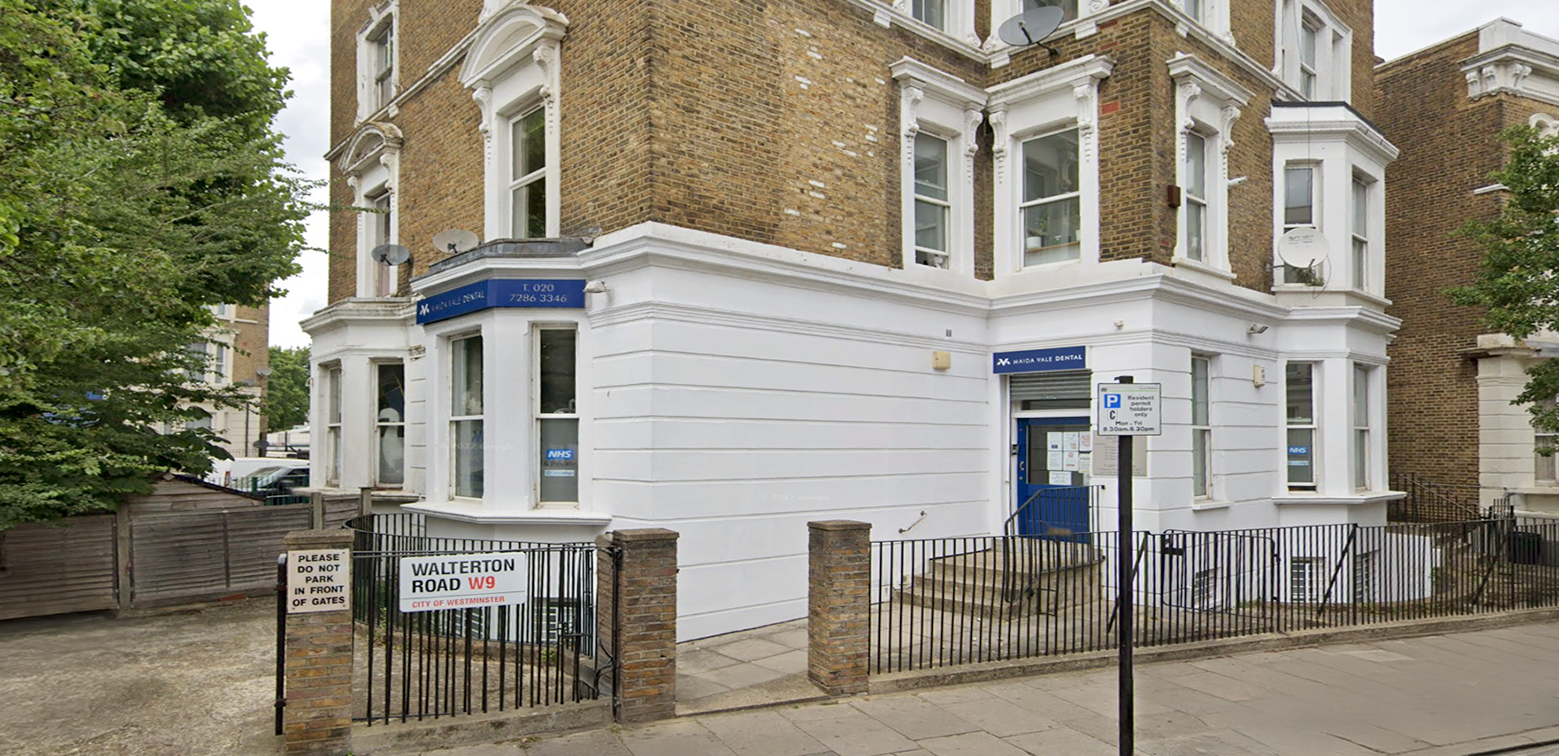
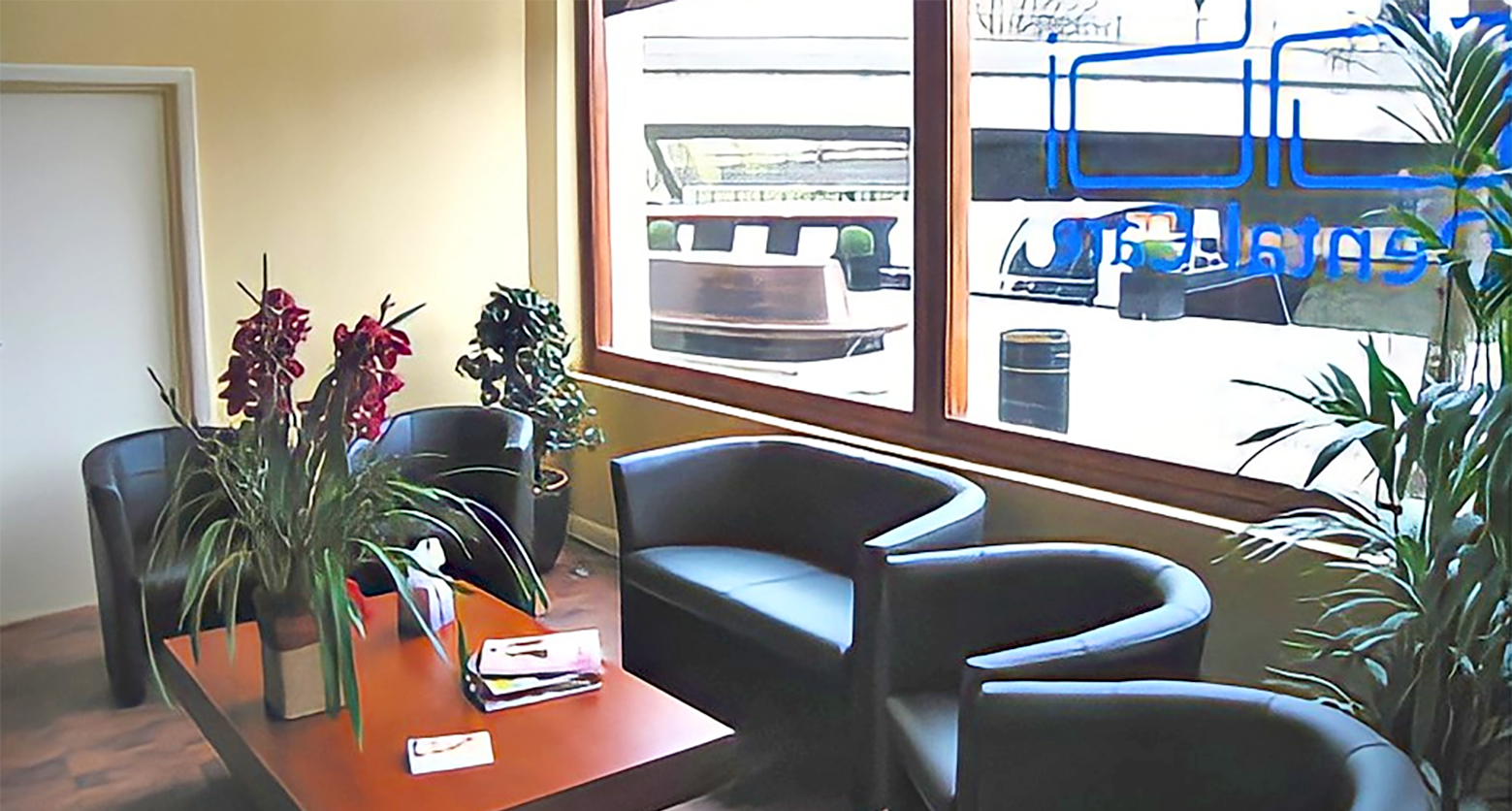
Situated at the western end of Elgin Avenue, Maida Vale Dental Practice can be found at 2 Walterton Road, W9 3PN. This practice has been in existence for over 40 years and offers dentistry for all age groups, including children. Their website states ‘The calming atmosphere of our practice combined with our friendly and welcoming staff means that nervous or anxious patients are put at ease from the minute they walk through the door.’
This practice covers the full range of dental needs, including Invisalign Orthodontics, Cosmetic Dentistry, Boutique Whitening, Dental Hygiene and everything else you’d expect to find. The practice accepts both NHS and private patients and is dedicated to providing high-quality, patient-centred care in a warm and friendly setting.
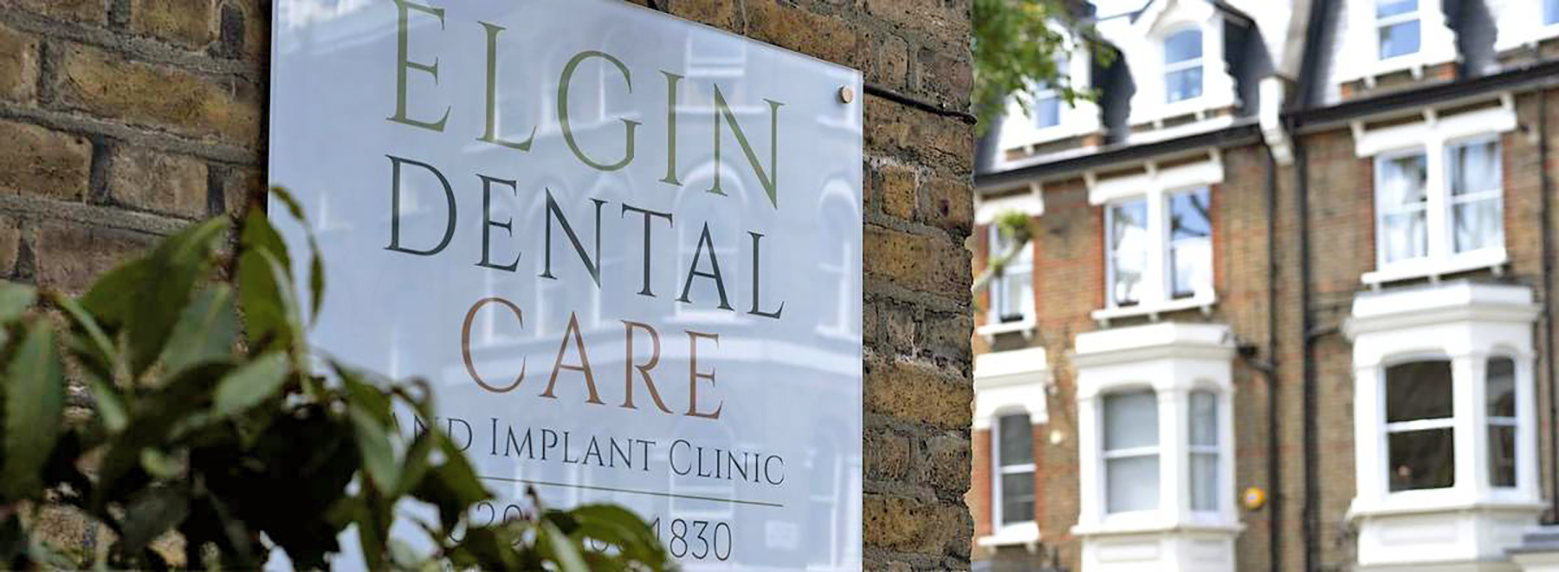
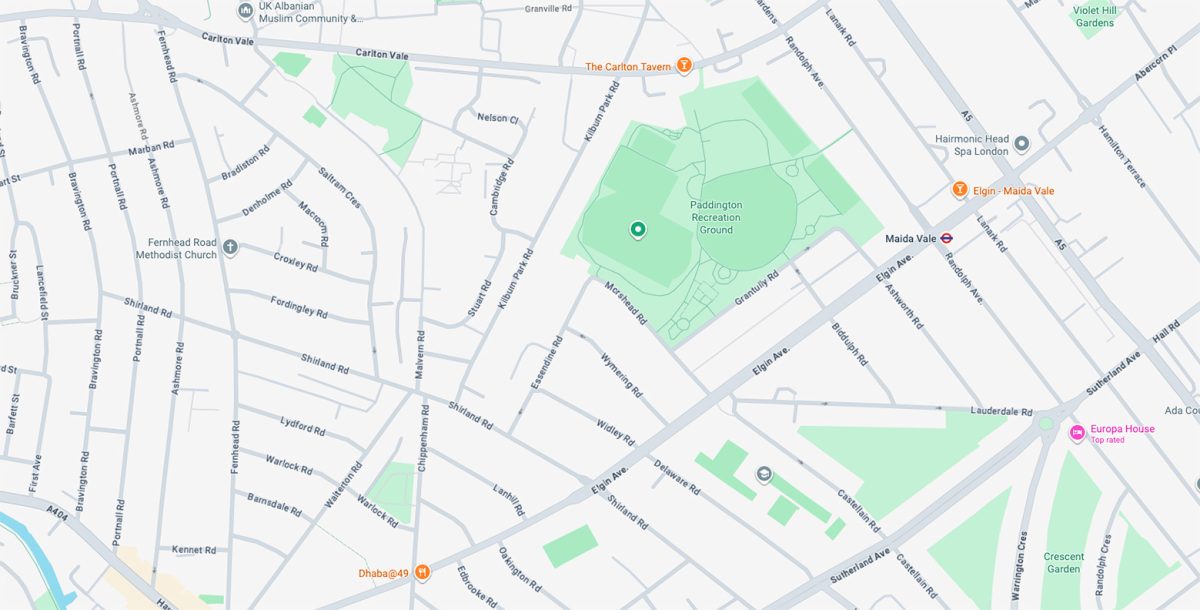
Located at 284 Elgin Avenue, just opposite Maida Vale Station, is Elgin Dental Care. Founded in 1939, their website states ‘New patients are welcome and are offered a thorough check up, so our team get to know your needs. Our practice treats visitors to the UK, others who are working, or staying here for a few years, or residents seeking long term care for their families.’
They also say ‘Good dental skills and confidence in delivering them matter and we work effectively in the atmosphere we create. A welcoming, clean environment is part of this and more importantly, good communication. An ability to listen is key to effective treatment, as is sharing information, from explaining complexity, to suggesting useful home care routines.’
Elgin Dental Care caters for private patients only.
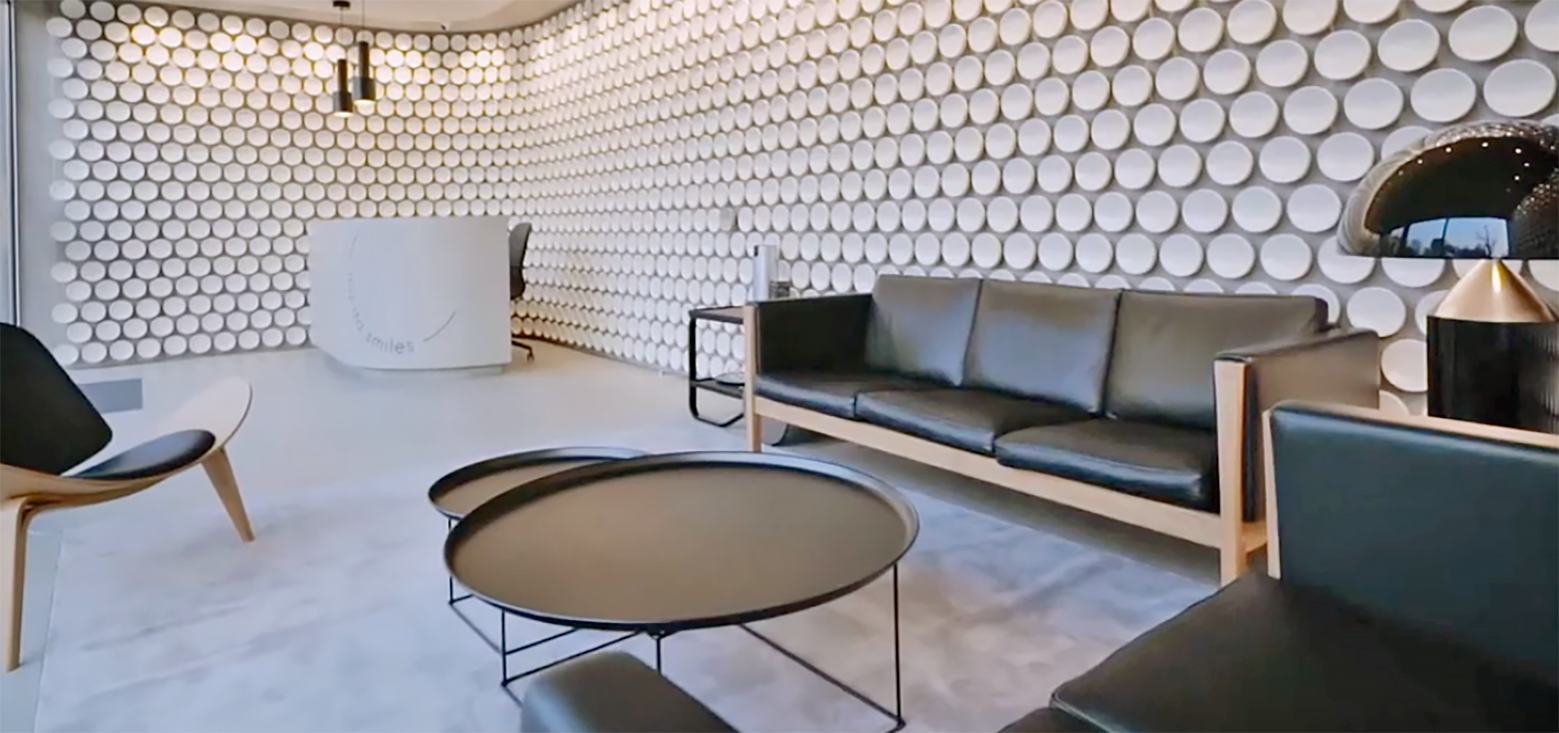
Probably the most modern-looking of the local Maida Vale Dental Practices is Maida Smiles. Located at 207-209 Sutherland Avenue, just opposite the Esso petrol station, the clinic was founded and set up in 2019 by Dr Pedro Gutierres, reportedly in response to ‘London’s growing need for minimally invasive cosmetic dentistry’.
Their website says ‘It’s our goal to become one of the best cosmetic dental clinics, helping and enabling patients from all walks of life to make positive, life-changing decisions about the future of their smile. With an emphasis on cosmetic, restorative and implant dentistry, our highly experienced staff are equipped to take care of any smile problem you might have.’
Located at 176 Shirland Road, this practice has been operating since 2003. As well as general dentistry hygienist services, they offer advanced treatments including invisible braces, dental implants, teeth whitening, as well as wrinkle reducing injections and facial rejuvenation treatments.
W9 Dental Health welcome NHS patients, providing essential oral healthcare subsidised by the UK Government. They also provide private treatment for the services the NHS doesn’t cover and can even provide interest-free payment plans with monthly payments for treatments over £1000.
Also on Shirland Road, at 142, is the Shirland Dental Practice. This practice is led by Dr Hamssa Mansour, who believes that visiting the dentist should be an enjoyable experience, free of fear or anxiety. She believes in giving back to the local community and actively supports local charities, in particular the Down’s Syndrome Association which is a charity close to her heart.
Their website states ‘It’s a small team at Shirland Dental Practice, so each time you will be greeted by a familiar, friendly face. Our dental nurses are fully qualified and highly experienced. All the team at Shirland Dental Practice genuinely care about the health and well-being of our patients and are happy to answer any questions or queries that you may have.’
This clinic can be found at 7 Clarendon Terrace, W9 1BZ, just around the corner from Clifton Parade. Their website states that they use the latest in technology, including materials, techniques, digital x-rays and computer aided intra-oral cameras to provide the highest level of clinical care, as with many other Maida Vale Dental Practices.
They provide Cosmetic Dentistry, Root Canal Therapy, CBCT, OPG, Veneer, minimally invasive dentistry, white fillings, surgery, socket preservation, pain free dentistry, nervous patient management and more, and say that their biggest skill is listening to all patients needs and wants, enabling them to welcome nervous patients, and discuss all possible treatment options – often available with 0% finance.
Needless to say, if you venture a little further afield you’ll find a lot more practices offering similar services, the selection we’ve highlighted though are probably the most convenient to get to from Morshead Mansions.
If you’d like to find out more about Maida Vale in general, just head over to our page titled ‘The Area’.
One of the strange things about living in London is that although we’re constantly surrounded by people, it’s often the case that many don’t really make much of an effort to reach out and talk to each other. Because of this, we can sometimes end up feeling a little bit disconnected. Fortunately, living in Maida Vale, Morshead residents are surrounded by a wealth of opportunity to connect with and meet like-minded neighbours.
What’s available for people living in Maida Vale?
A whole host of resources if you know where to look. For some helpful suggestions, read on…
Maida Vale Library
A good local resource, and one that many people probably wouldn’t think of, is Maida Vale Library. Situated on Sutherland Avenue, the library is open every day except Sundays. There are many useful resources to be found here, such as employment advice sessions, free Wi-Fi, photocopying, printing, scanning, reading groups and room hire. The library also offers a range of community involvement sessions, including the following:
Digital Support
These sessions are available on Mondays and Saturdays and can be booked by calling 020 7641 6200 or by registering at the library desk. Volunteers provide one-to-one support to anyone needing help with a computer or smartphone problem. They can also help beginners who want to get started.
Return to Work Coaching
These events are designed to help people who have been out of work for a while or perhaps had a career break. Provided by The Hustle Factory, they are hosted by Francoise Carbonnel, who comes with more than 25 years of experience. Designed for anyone looking to return to work or enhance their job search strategies, these sessions come with a wealth of valuable resources. The next course is on November 5th, from 10am-11.30am.
Mindfulness for Stress Reduction
A great opportunity to learn some self-care tools to help manage stress, these sessions offer useful advice on taking steps towards a calmer mind. This MBSR taster session is facilitated by Michelle, a British Association of Mindfulness Based Approach (BAMBA) registered Mindfulness Based Stress Reduction teacher. You can contact her directly at hello@thetheraoy.garden. The next session is on Friday October 31st, from 4-5.30pm.
As well as the library, there are other opportunities for people living in Maida Vale to connect with other locals:
Yoga Sessions
Close to Maida Vale Station at the north end of Randolph Avenue is the Iyengar Yoga Centre. Open since 1984, it was founded by BKS Iyengar, who originally taught there. It offers daily beginners classes as well as specialist classes for children, teenagers, pregnancy, 60+, students with neurological conditions and remedial yoga. To find out more, click here.
Canal Boat Rides
The London Waterbus Company runs trips daily from Little Venice to Camden Lock, taking you through Regent’s Park and past London Zoo. These trips take 45 minutes each way and can be booked one way or return. They are scenic and relaxing and offer a unique way to see the local area. If booked online, there are special reductions for children. You can find out more by clicking here.
Nextdoor
Nextdoor is an online app that allows people to connect and interact with other people in their local area. Although Nextdoor connects people worldwide, when you sign up, it will filter for posts in your specific area. Useful for sourcing local tradesmen, restaurant recommendations and local news, it’s also often used for finding such things as cleaners looking for extra work or local second-hand bargains, as well as being a resource for locating lost pets. To sign up to Nextdoor, click here.
The Maida Vale Facebook Group
If you’re a Facebook user, there’s a handy local community group that aims to provide a platform to connect with neighbours, ask questions or advice, share local news and add recommendations.
If you’d like to see more information on living in Maida Vale and Westminster, take a look at our previous post here.
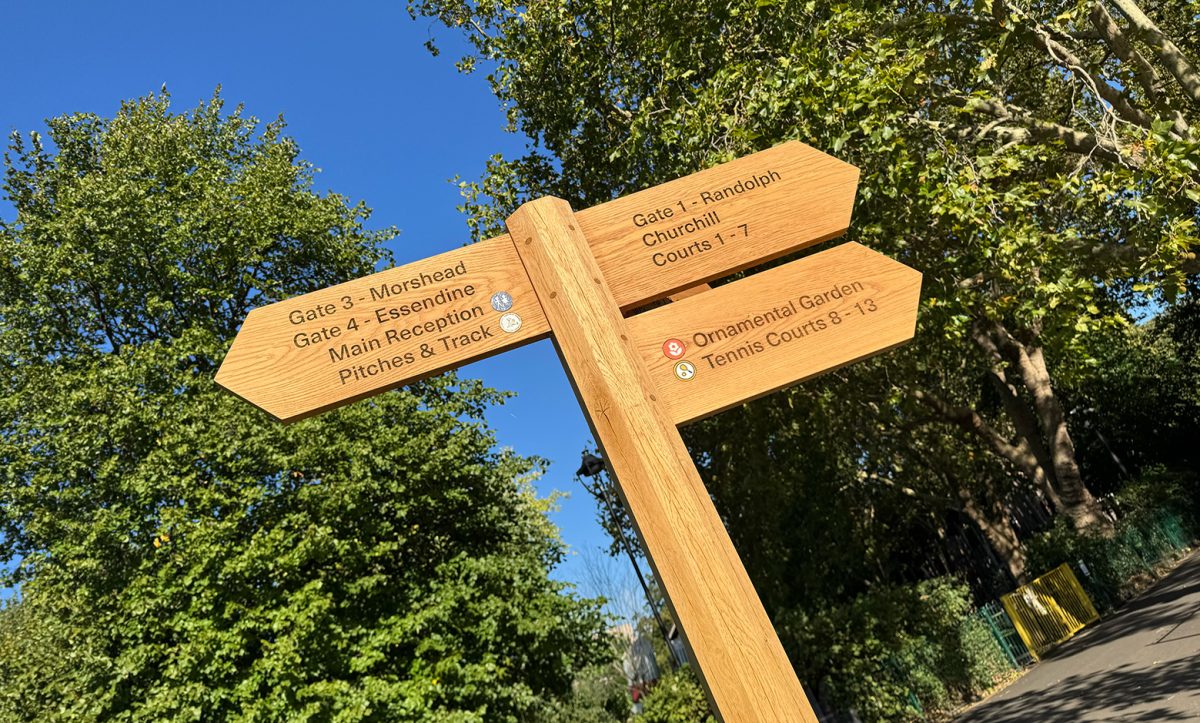
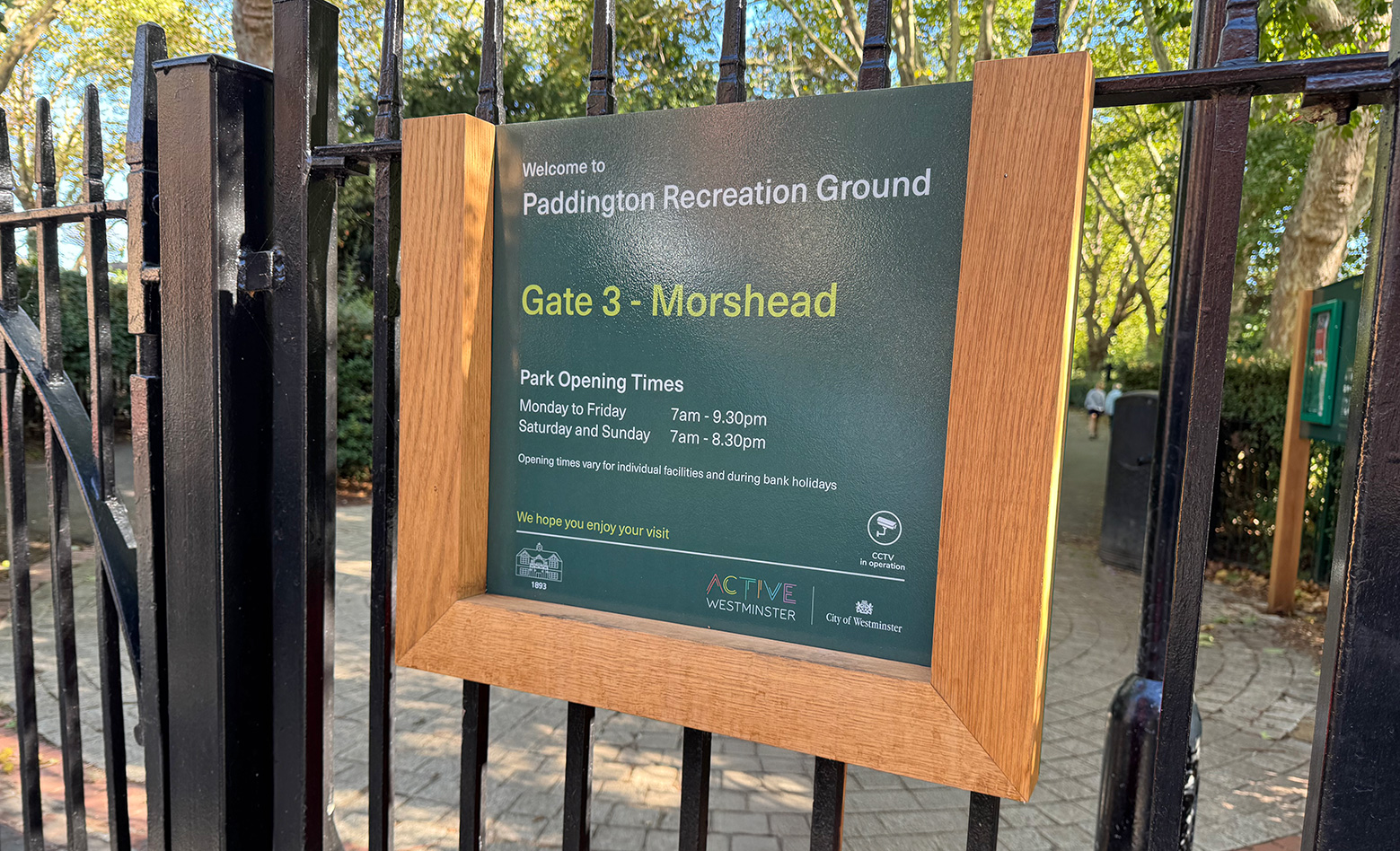
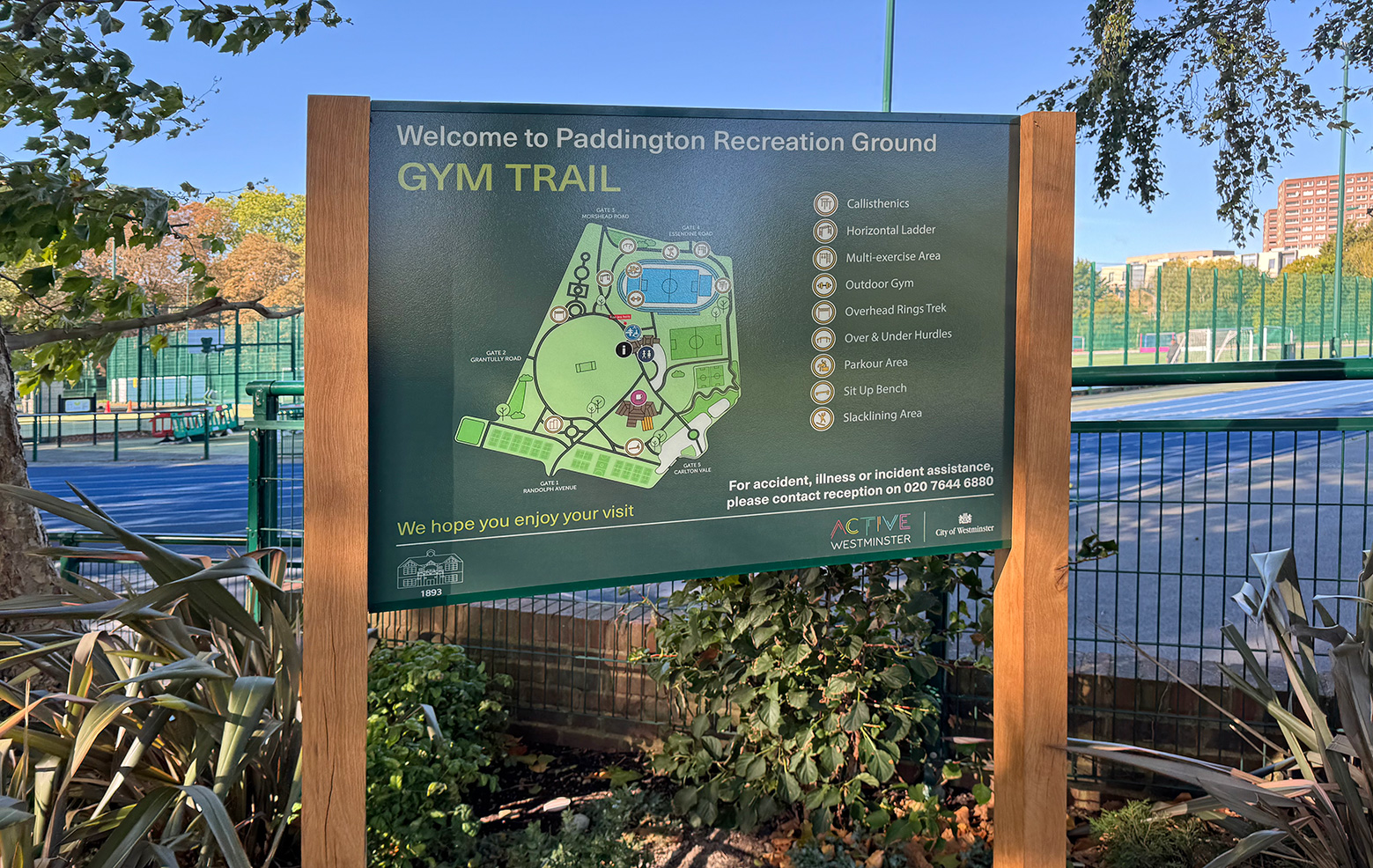
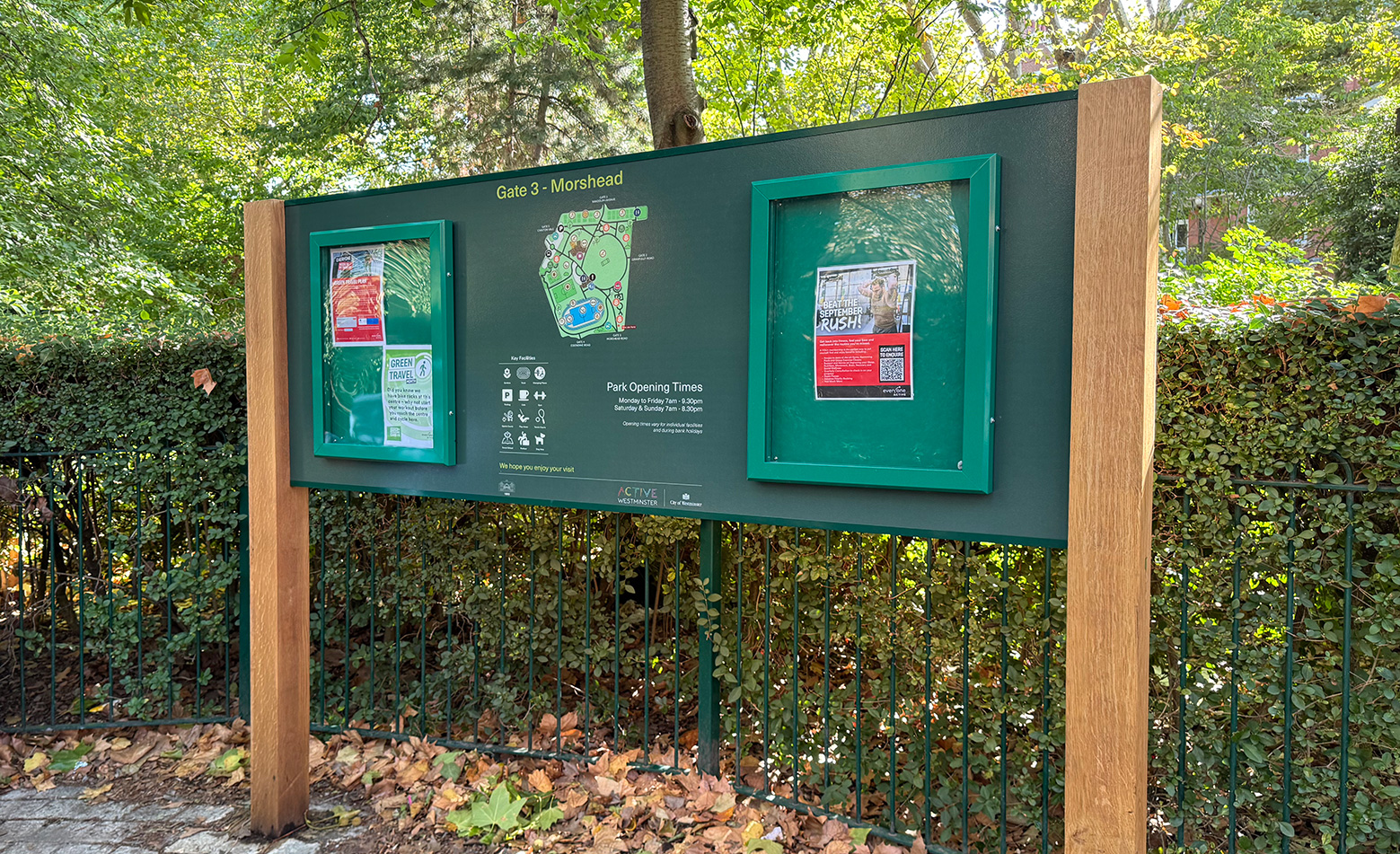
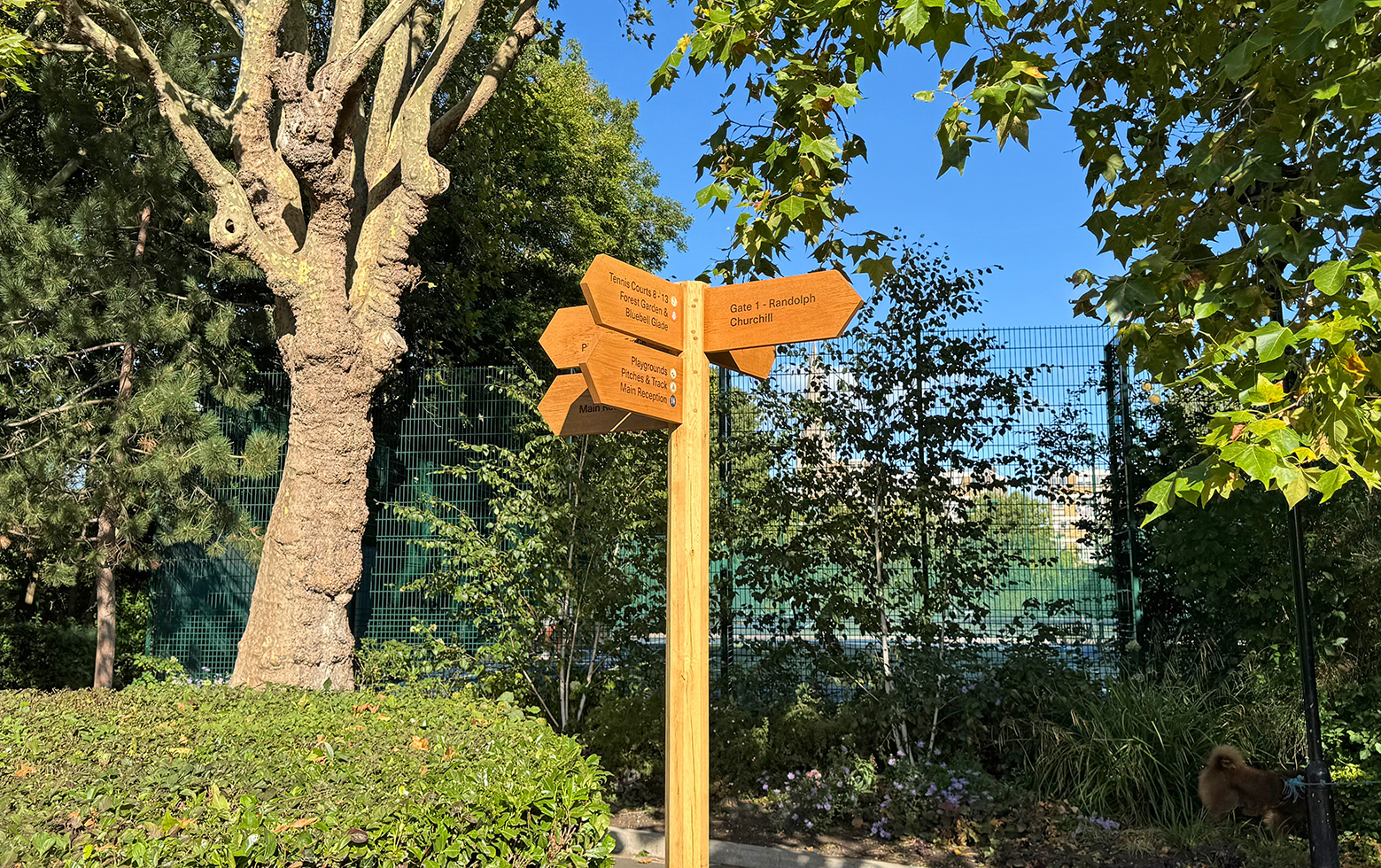
Morshead residents are fortunate to live right across the road from a beautiful open green space. If you’ve wandered around there recently, you may have noticed that there is a lot of new signage at Paddington Rec.
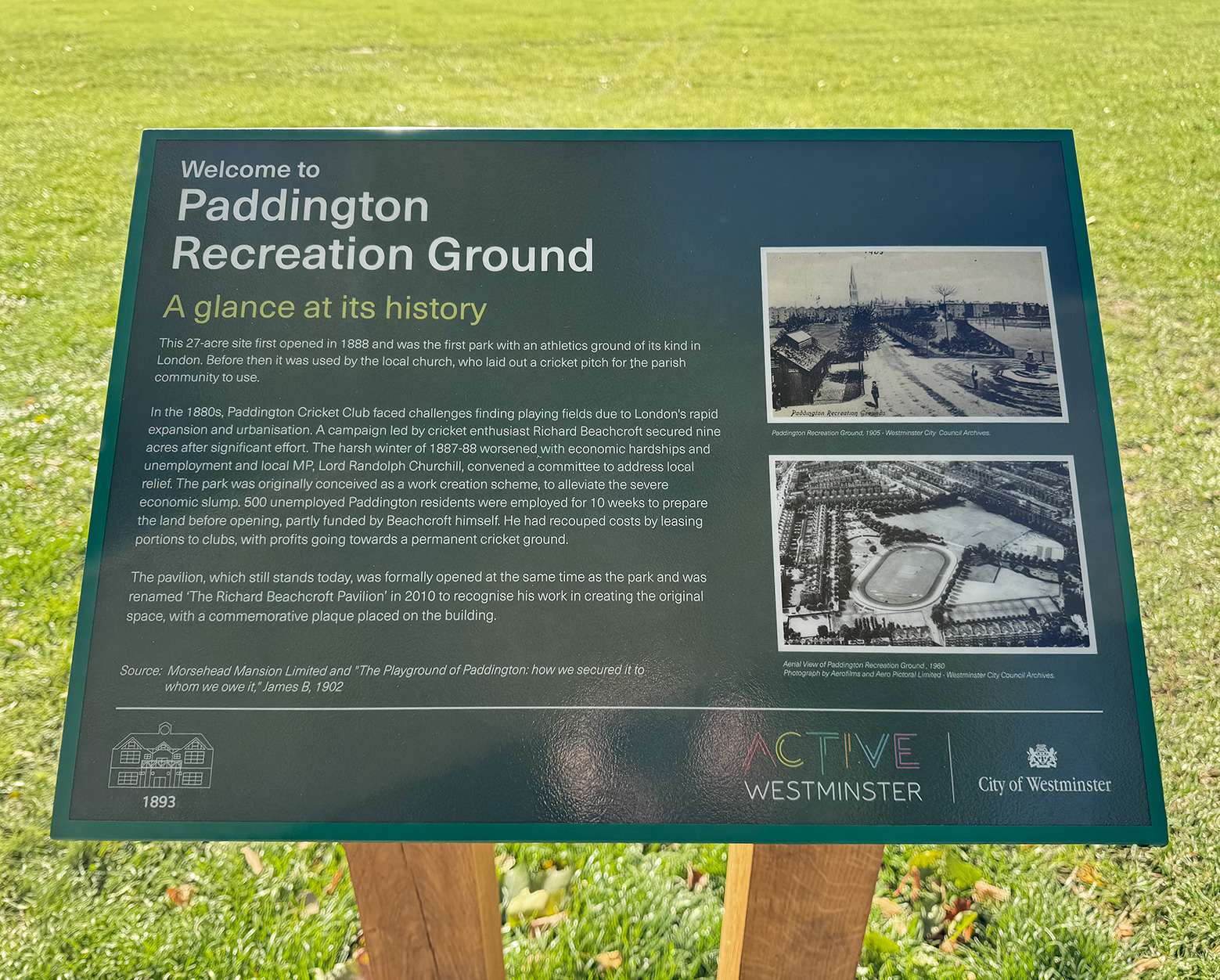
Earlier in the year, Westminster Council decided to update the look of the park. As a result of the ‘news’ piece we featured last year on the history and features of Paddington Recreation Ground, Morshead Mansions were contacted and asked if snippets of our text could be used on the new signs.
We were happy, of course, to help out and as a result are credited. Being so close to Morshead Mansions, the park often feels a bit like our ‘front garden’, so it’s nice to feel a little more ‘attached’ to the space.
The new signage at Paddington Rec certainly helps to give a new look and feel to the space, as well as making it very clear for visitors where they can find everything. Since first opening 137 years ago in 1888, the 27-acre site has seen a lot of history. It was the first park and athletic ground of its kind in London, and when opened featured a cinder cycle track where the cricket pitch is today. This was replaced in 1900 with a banked cycle track, with a running track placed inside.
Over the years, notable sports people have trained on the site. There are commemorative plaques on the side of the pavilion building for Roger Bannister (of the 4-minute mile fame), Sir Bradley Wiggins (winner of the Tour de France) and others.
In its modern day incarnation, Paddington Recreation Ground has a wealth of sporting facilities available. These include 13 tennis courts, 10 synthetic and 3 hard courts, all of which have recently been resurfaced and are in excellent playing condition. There is also a 400m athletics track, which was refurbished in 2020, 2 artificial turf pitches, a ‘water-based’ hockey pitch, a bowling green, cricket nets, a cricket pitch, 5 a side pitches, an outdoor gym area and a fully equipped indoor gym, run by Everyone Active.
If you haven’t yet seen the new signage at Paddington Rec, why not take a walk over there before summer completely disappears! If you’d like to find out more about the history and the facilities on offer, you can take a look at our previous post here.
Interesting places to eat out close to Morshead Mansions
As well as a multitude of cafés and pubs, Morshead Mansions residents are fortunate to be surrounded by many local Maida Vale restaurants. They feature a variety of different types of food offerings as well as some very eclectic interior design. Below is a small selection of what’s on offer, all within easy walking distance of the street.
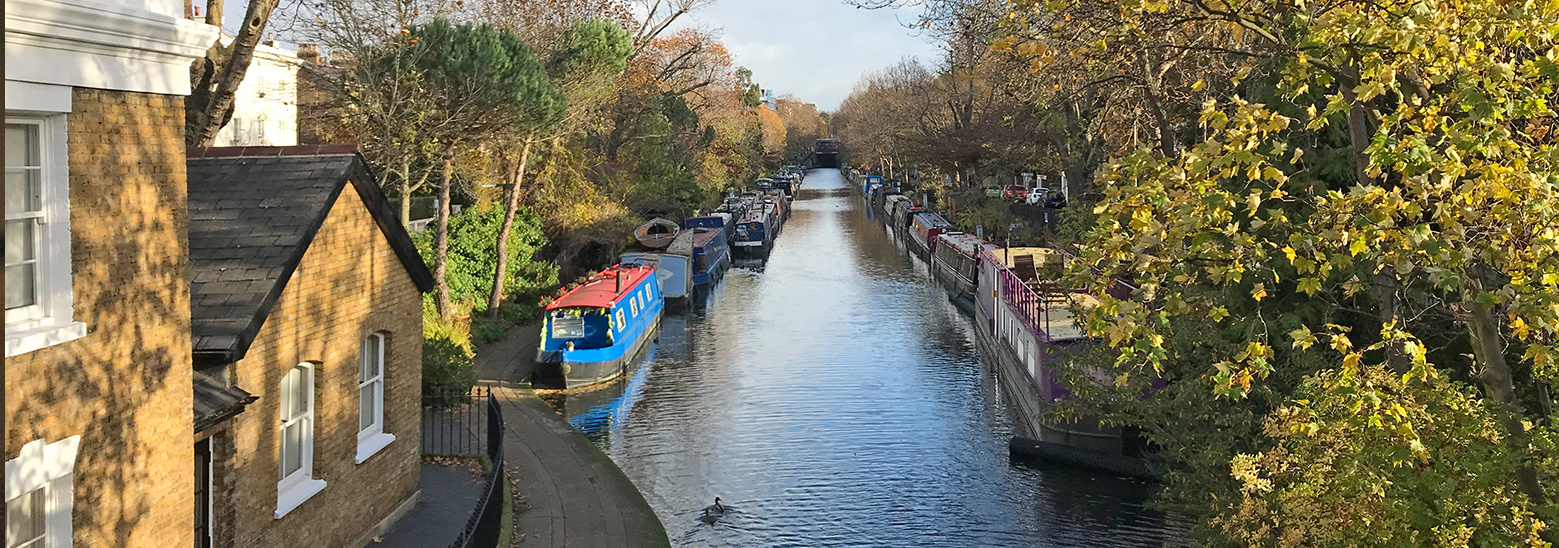
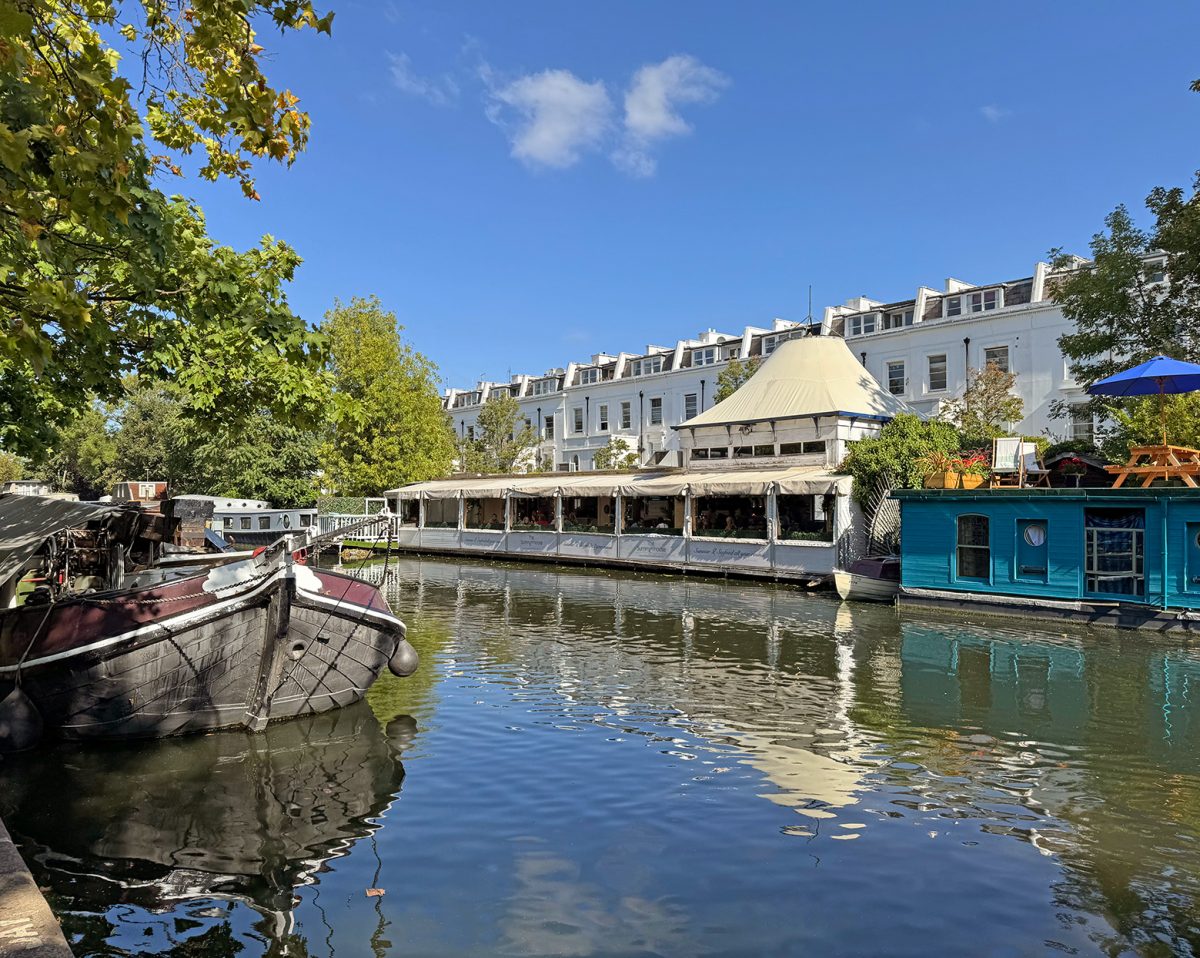
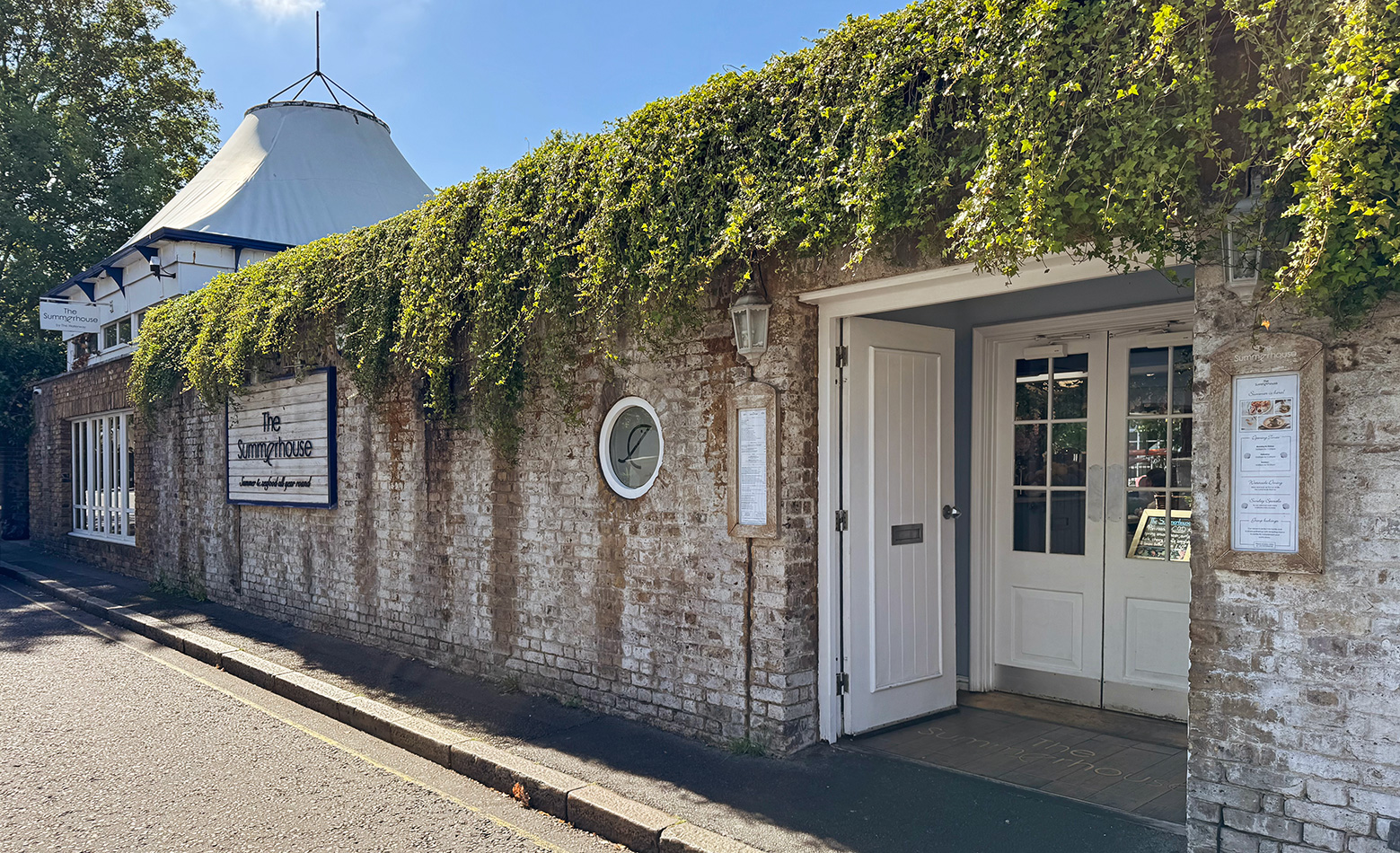
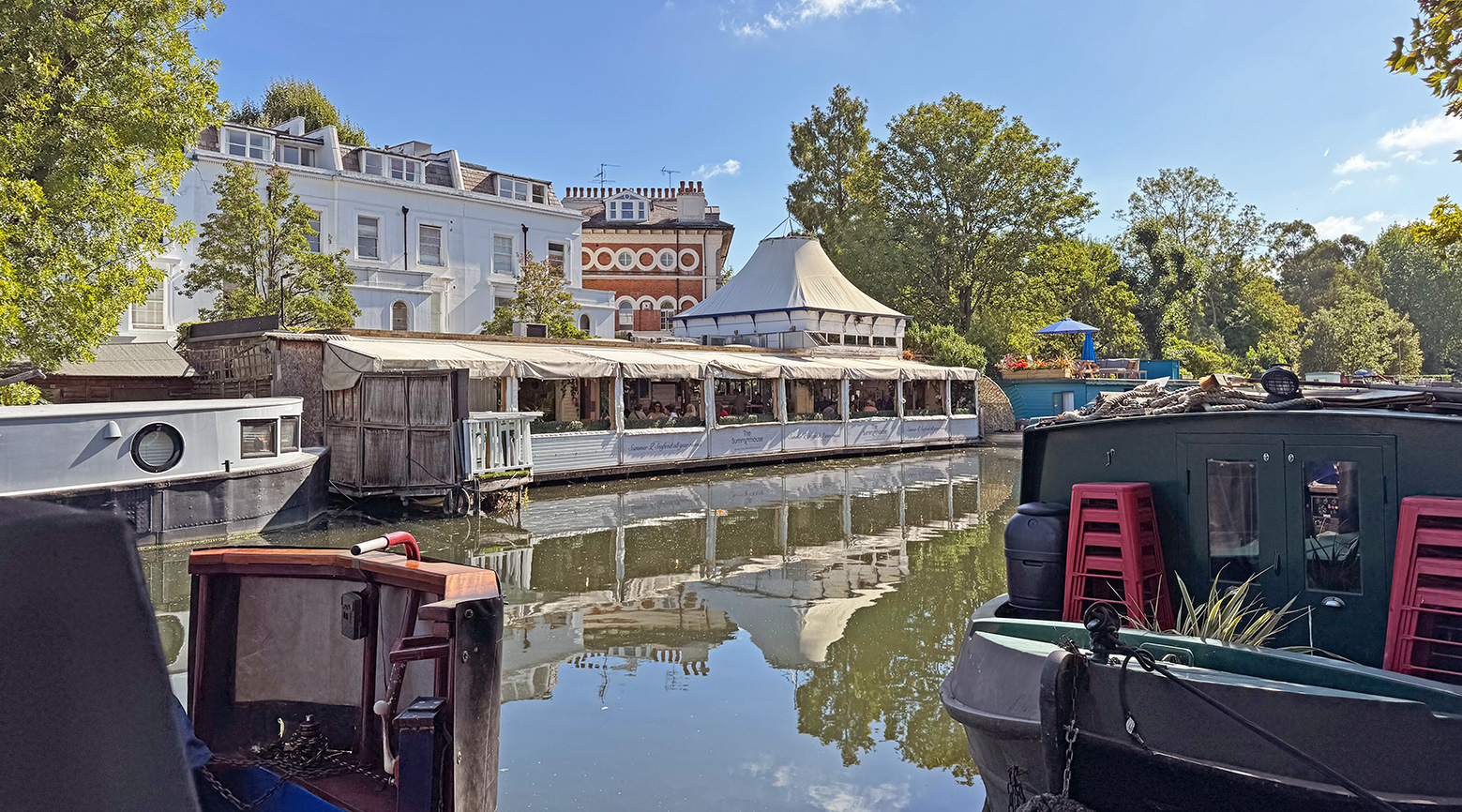
If you head down towards Little Venice and walk alongside the canal next to Blomfield Road, you’ll come across The Summerhouse. This is a lovely Hampton’s inspired restaurant overlooking the Grand Union Canal, serving seasonal dishes.
The Summerhouse claims that more than just a restaurant, it’s one of London’s most unique waterside dining destinations. With nautical-inspired interiors, al fresco seating and a relaxed coastal vibe, this canal-side restaurant invites you to unwind and enjoy the season.
As well as lunch, dinner and Sunday roasts, the Summerhouse is also open from 9am-12pm on Saturdays and Sundays, serving weekend brunch. On sunny weekend mornings, it’s the perfect place to while away an hour or two, overlooking the canal and watching the boats go by.
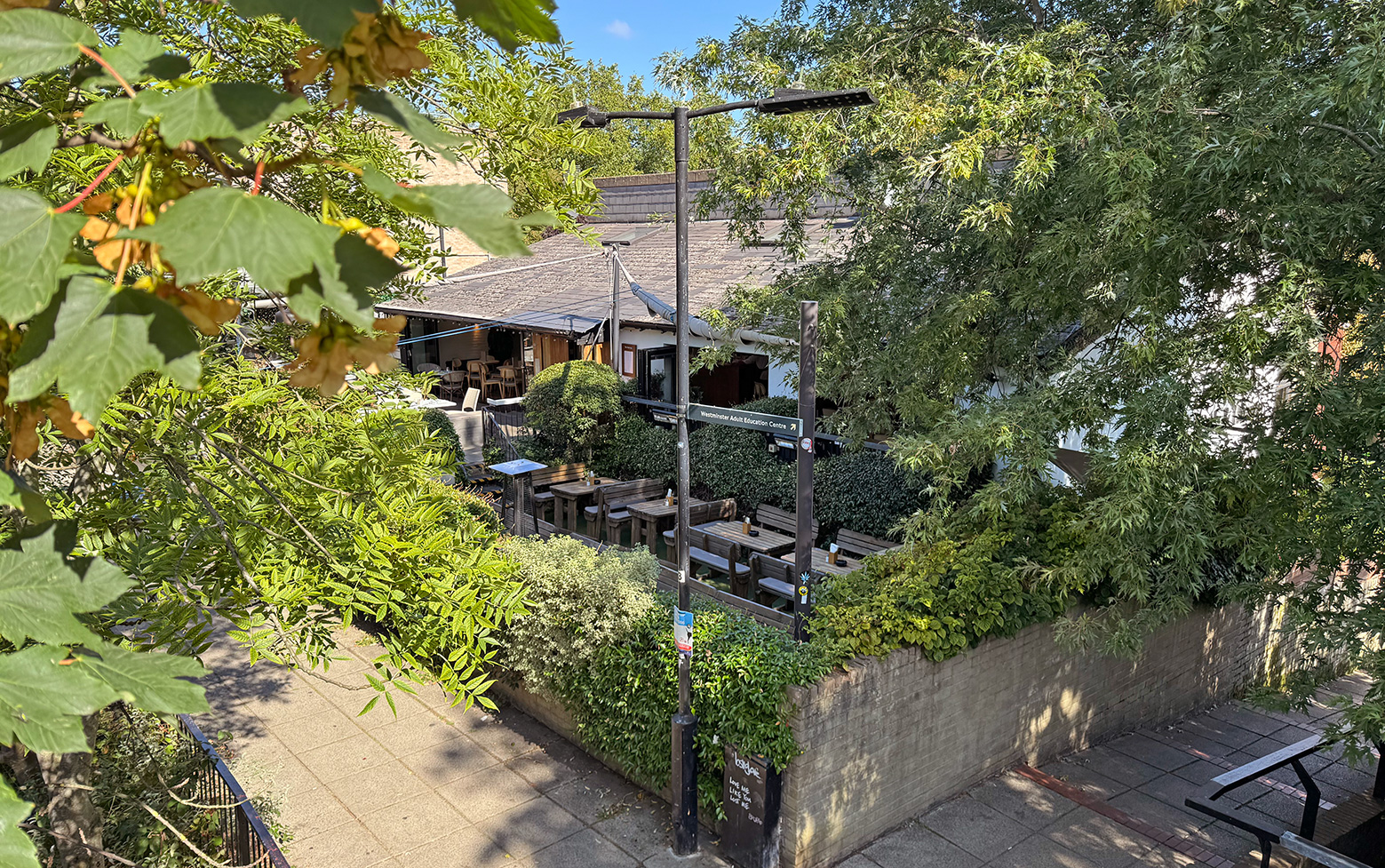
A stone’s throw away from our first restaurant, and also nestled by the side of the canal, is The Waterway. Opened in 2002, this eatery says that it has established itself as one of Maida Vale’s best restaurants with one of London’s greatest outdoor terraces. This makes it a great place to dine outside during the warmer months and lighter evenings.
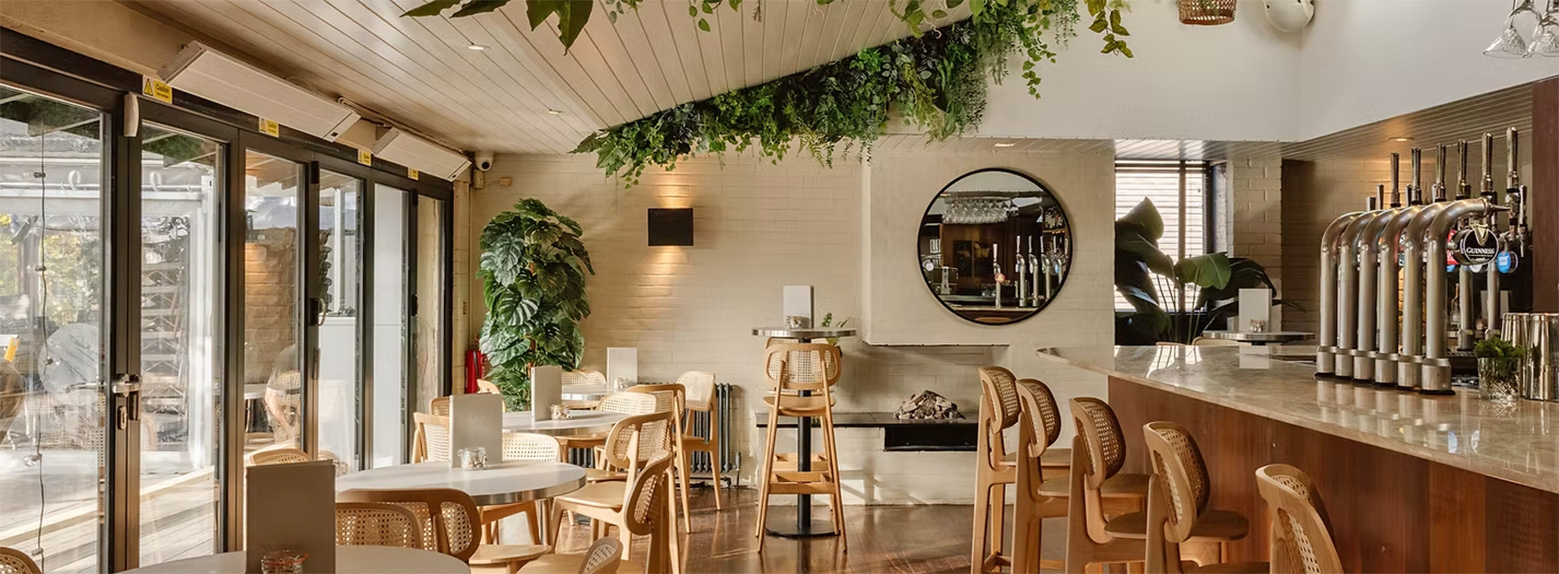
This restaurant has all seasons covered though, with the interior being styled in a cosy ski chalet vibe. This makes it a perfect setting during winter, featuring a fireplace, natural colour tones, live music and an extensive menu.
The Waterway is also available to hire for events and can be split into smaller areas to cater for all party sizes.
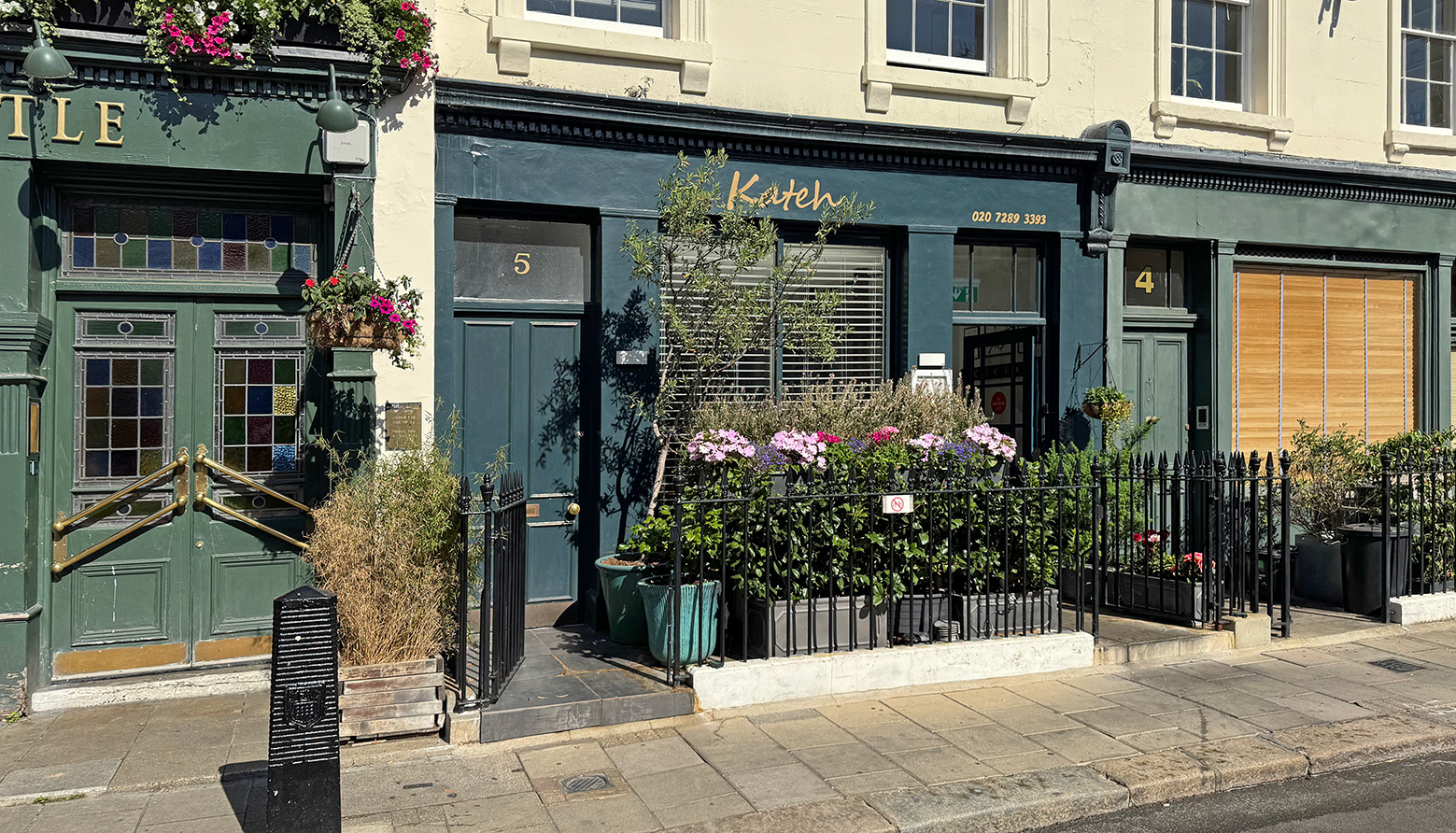
Not far from here is another of our featured Maida Vale restaurants, Kateh. This hidden gem serves the latest in popular Persian cuisine. It can be found in Warwick Place, next door to the Warwick Castle pub.
Kateh features both an authentic and modern take on Persian cuisine in an elegant yet relaxed and intimate setting, seating just 75 diners. The daily menu is made up of 33 dishes, each inspired by the best of the day’s market produce.
This restaurant also has a superb private dining room on the lower floor for up to 12 people. It also has a gorgeous garden terrace which can hold up to 25 people and a late license. This makes it an enticing dining destination for romantic couples, families and private celebrations.
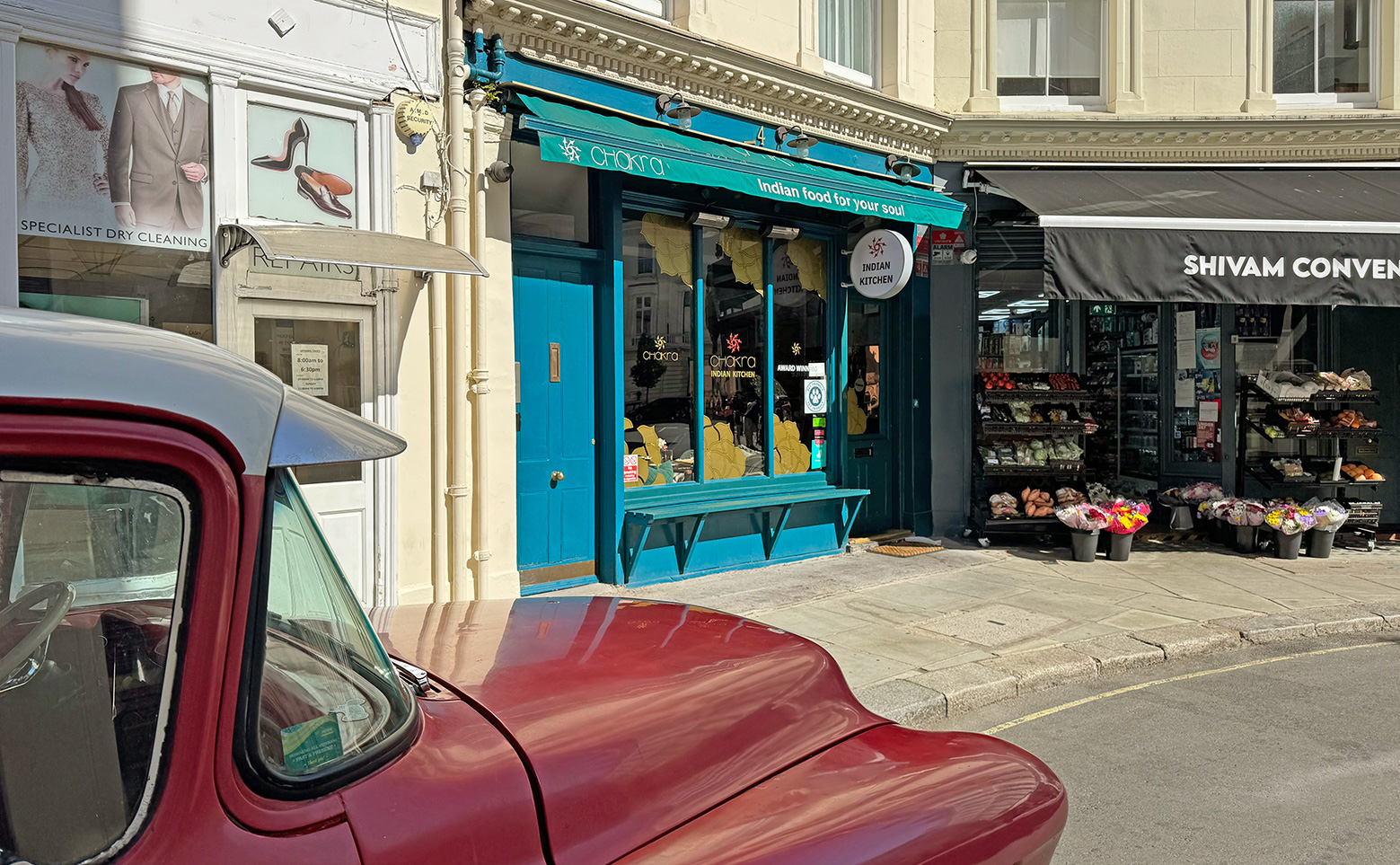
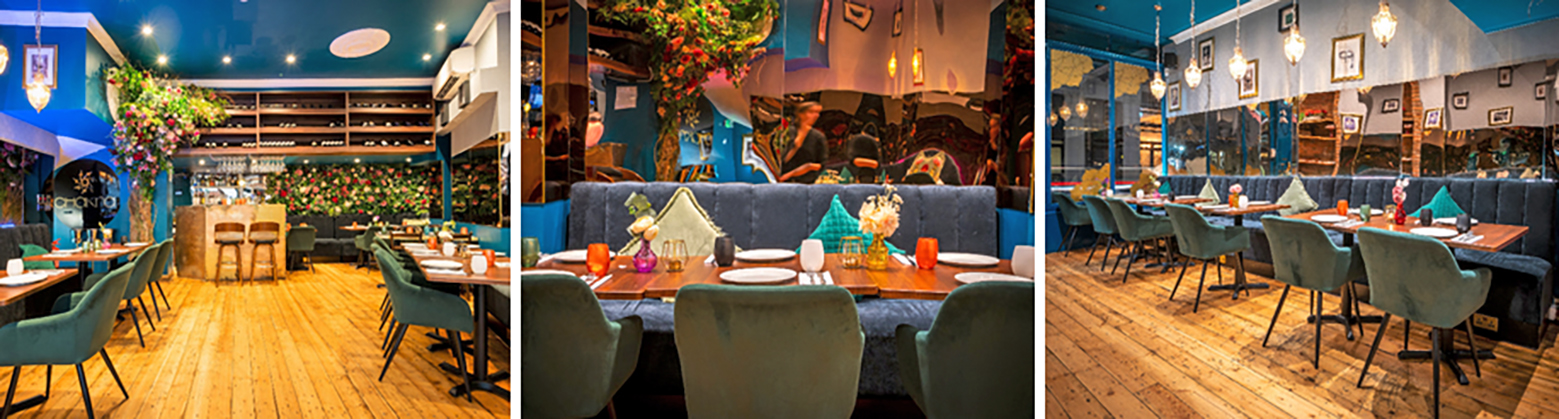
Formosa Street is not only one of London’s most unique shopping streets but is also the home of Chakra, a beautiful Indian restaurant. It describes itself as ‘a truly uplifting experience where exciting Indian cuisine, stunning interiors and unsurpassed service intertwine to create a sense of abundance, wellbeing and pleasure.’
It goes on to say ‘Our chefs have adapted timeless Indian recipes, using ingredients that positively impact your sense of wellbeing, without compromising on flavour. All our restaurants are a sanctuary for you to escape to. Teal colour palettes, harmonious accent colours and an abundance of vegetation come together to create an oasis of calm.’
Like many Maida Vale restaurants, Chakra also offers a delivery service. So, if you’d like to sample their food from the comfort of your home, just visit their website to make an order.
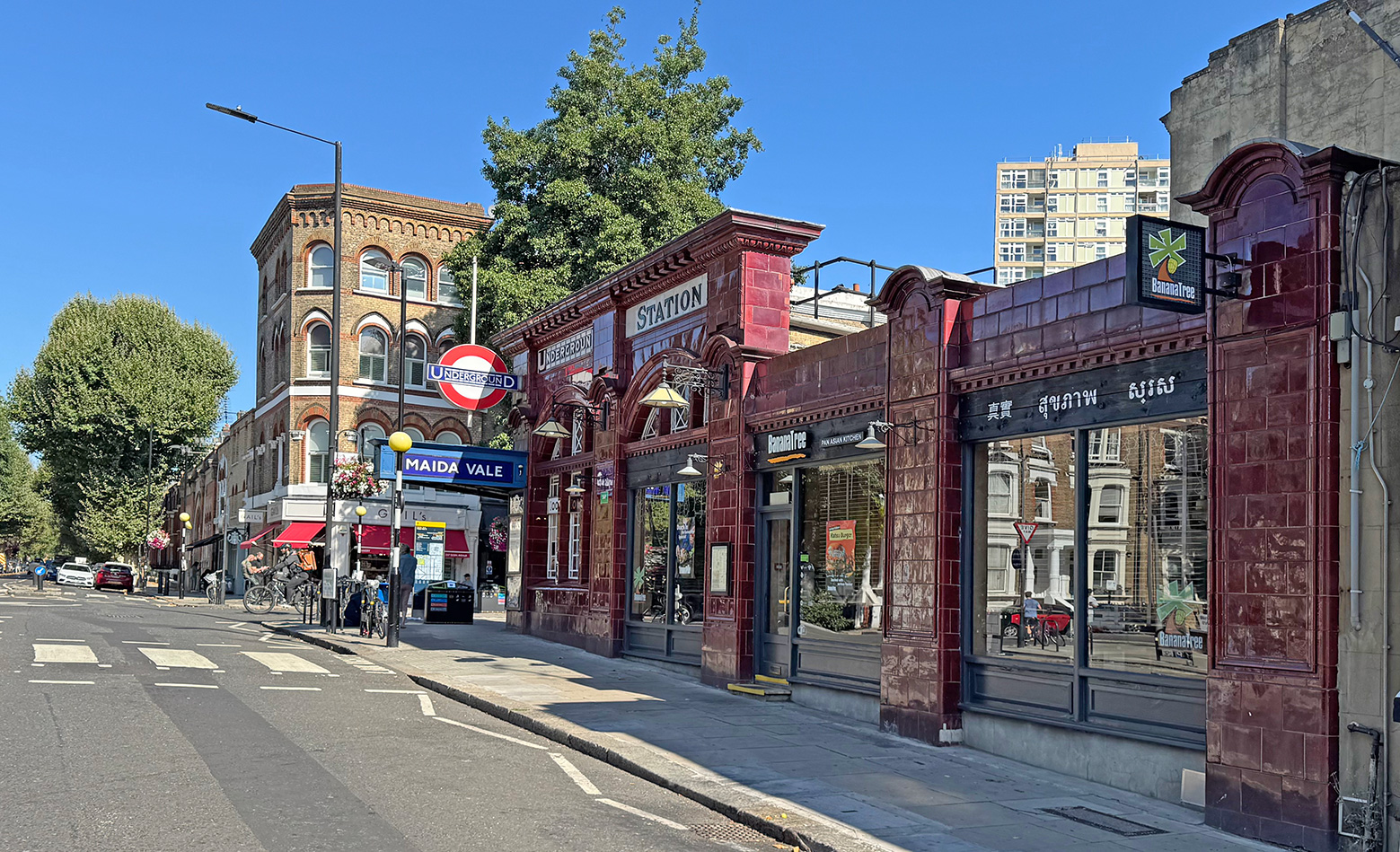
Located right next door to Maida Vale Station is Banana Tree. The opening page of their website states ‘If you’re the type of person that dreams of venturing into the jungles of Borneo or exploring the bustling markets of Malaysia, you’re in the right place. Nothing says adventure like a Laksa lunch, a weekend Katsu or a dash of Vietnamese fish sauce in your dinner. At Banana Tree, our food takes you places.’
As well as a range of choices for meat and fish lovers, 40% of their menu caters to the vegan market. They go on to say ‘whether you’re fully vegan, a flexitarian, or just giving it a go, we know that variety and choice is important. We never compromise on flavour, and our in-house chefs are constantly working on fresh and innovative vegan options.’
Banana Tree is also focused on animal preservation and donate 25p from every Blackened Monks Noodles sold to Orangutan Appeal UK, to help rehabilitate orphan orangutans. So far, with customers help, they have raised over £70,000 for the cause.
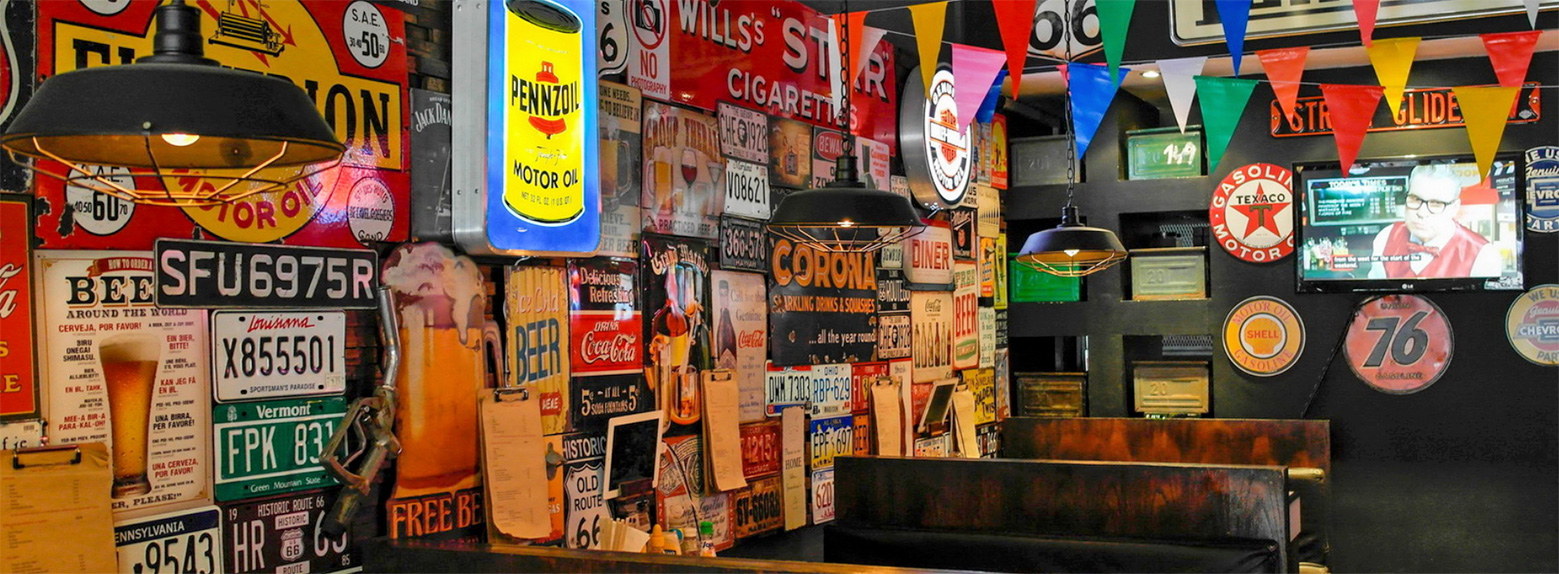
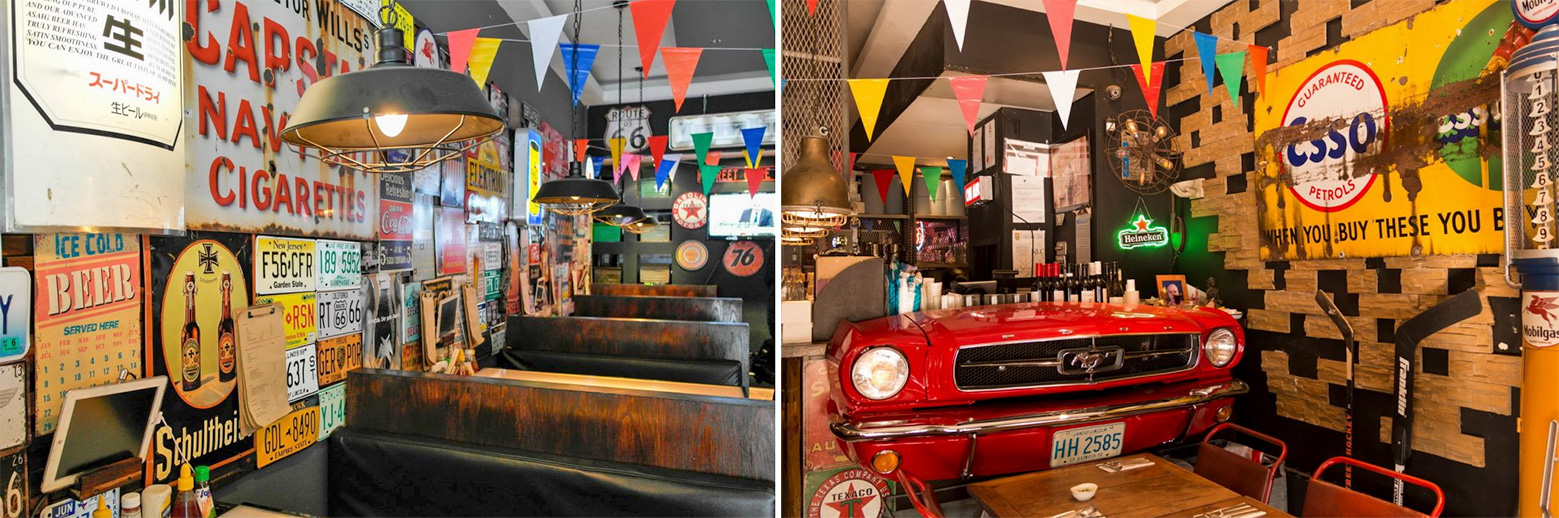
Opposite the station is Thai Rice, which was founded in 2002 on Portobello Road. Using traditional family recipes and fresh ingredients to produce authentic Thai cuisine, the restaurant has enjoyed a great deal of success, enabling the owners to open more restaurants. This one on Elgin Avenue features a quirky interior, styled with an array of auto memorabilia.
Their website says ’ With the combination of excellent food, a welcoming ambience, contemporary décor and fast, friendly service, Thai Rice offers the perfect dining experience. We take great pride in the cooking and presentation of our food. Our aim is to deliver excellent cuisine at a reasonable price. The menu includes some delicious vegetarian options and is complemented by a high-quality wine list.’
Thia Rice also offers a home delivery service, booked through Uber Eats.
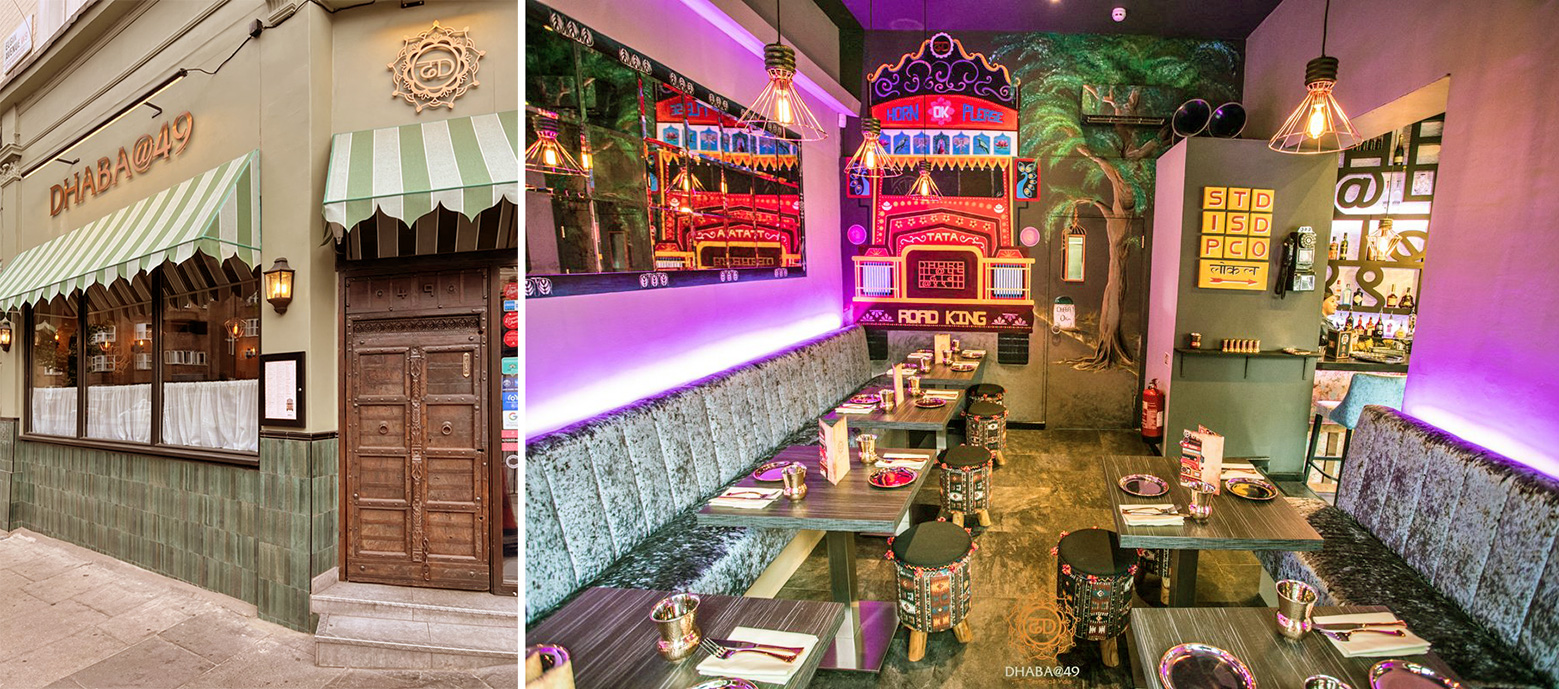
A short walk west along Elgin Avenue is Dhaba@49, offering exceptional North Indian cuisine mixed with a twist of Britain. With its unique interior and colourful Indian dishes, Dhaba@49 is well worth a visit.
Set up on the site of what was for many years a more traditional style India restaurant, Dhaba@49 takes the experience of Indian dining in a whole new direction. With rich aromatic flavours, their dishes are inspired by the roadside cafes of North India. These have been redefined and adapted to more suit local tastes.
As with most restaurants these days, they also offer a takeaway and delivery service for customer convenience.
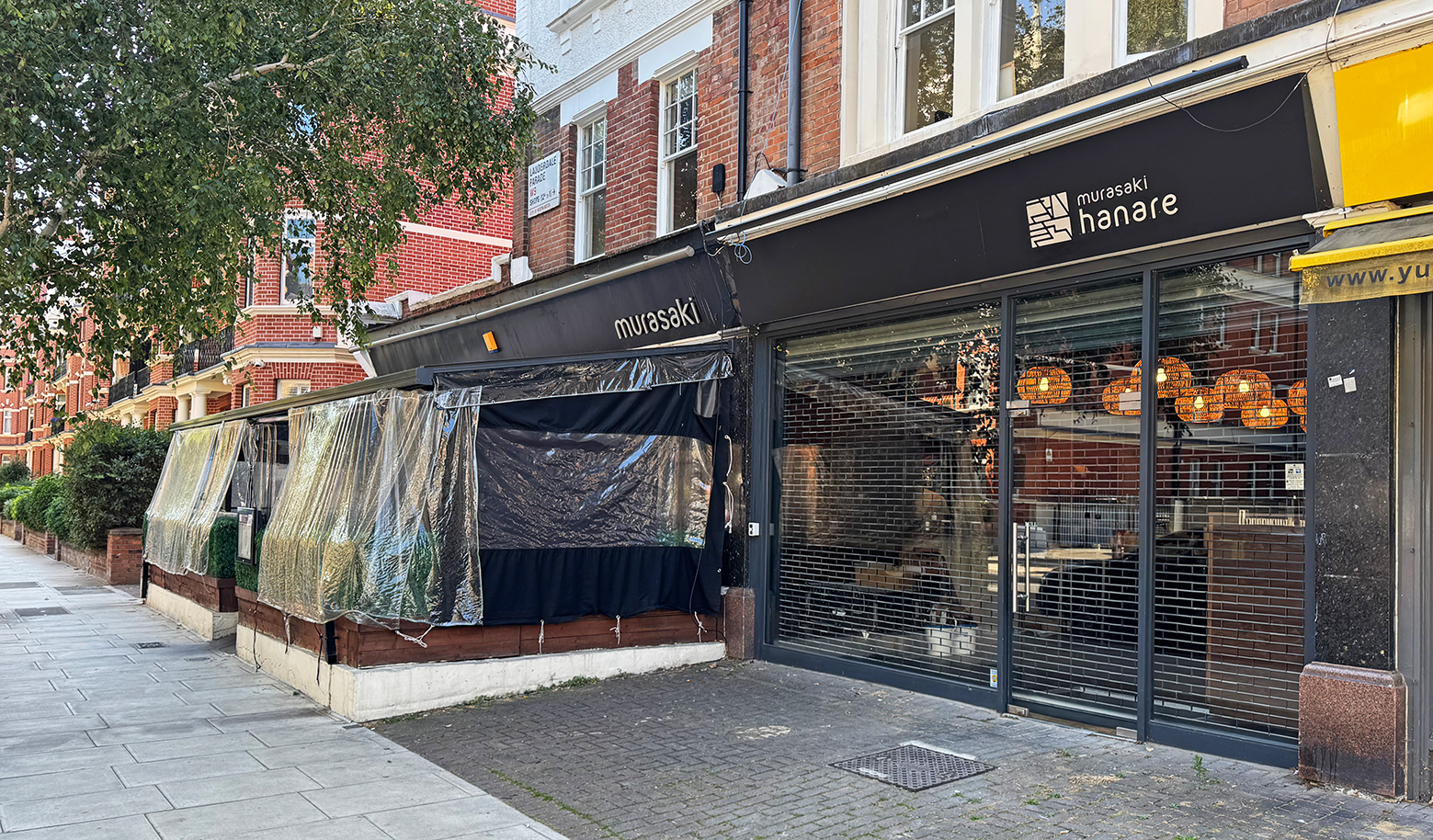
The closest of our featured Maida Vale restaurants to Morshead Mansions is Sushi Murasaki, at the end of Lauderdale Parade. Opened in 2017, they offer an eccentric live sushi counter. So you can witness the fascinating art of sushi-making while enjoying the serene local setting.
Their website says ‘At Sushi Murasaki, our talented chefs meticulously create an experience for our guests. We do this by blending local produce with our Japanese cooking techniques. Our selection of high-quality fresh sushi and sashimi, along with perfectly paired sake and wine, is a perfect symphony in the mouth. Our lip-smacking hot food and highly recommended Japanese tea are refreshing and suitable for all London weathers.’
Sushi Murasaki also has an outside terrace which is perfect for relaxed summer evenings.
So, within the local Morshead Mansions area, there’s hopefully something to suit most culinary tastes. If you’d like to see more local eateries, why not take a look at our recent post on Maida Vale Pubs.
Medical Centres in Maida Vale that are close to Morshead Mansions
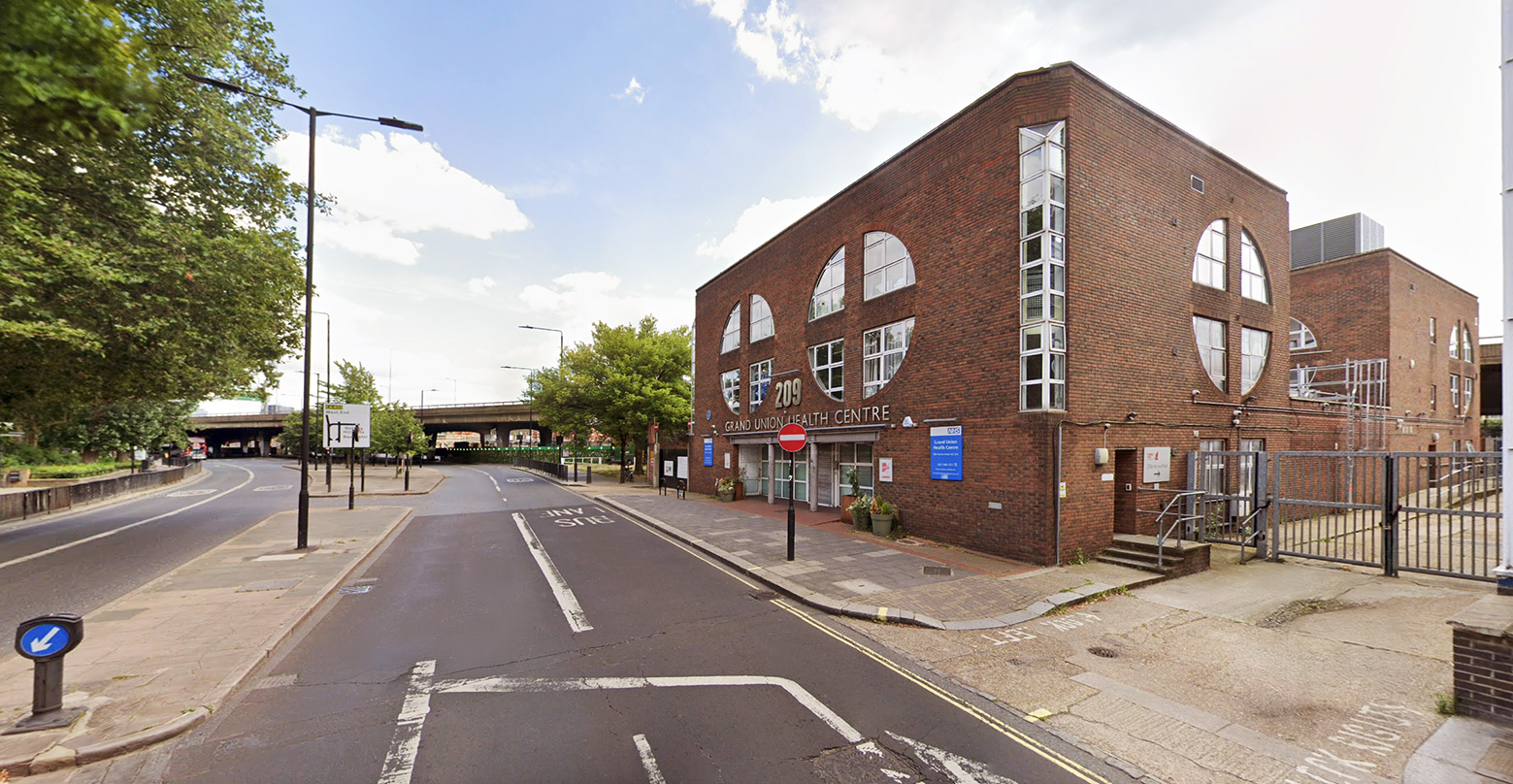
Morshead Mansions residents are fortunate to be surrounded by several NHS Maida Vale medical centres, all providing general patient and prescription services. Below is a small selection of the closest surgeries, all within easy walking distance of the street.
Please note that we make no particular recommendations and would always urge residents to do their own research before registering, however, there are some useful suggestions below. Whatever you are particularly looking for to manage your general health requirements, we hope you’ll find something helpful that’s close to home.
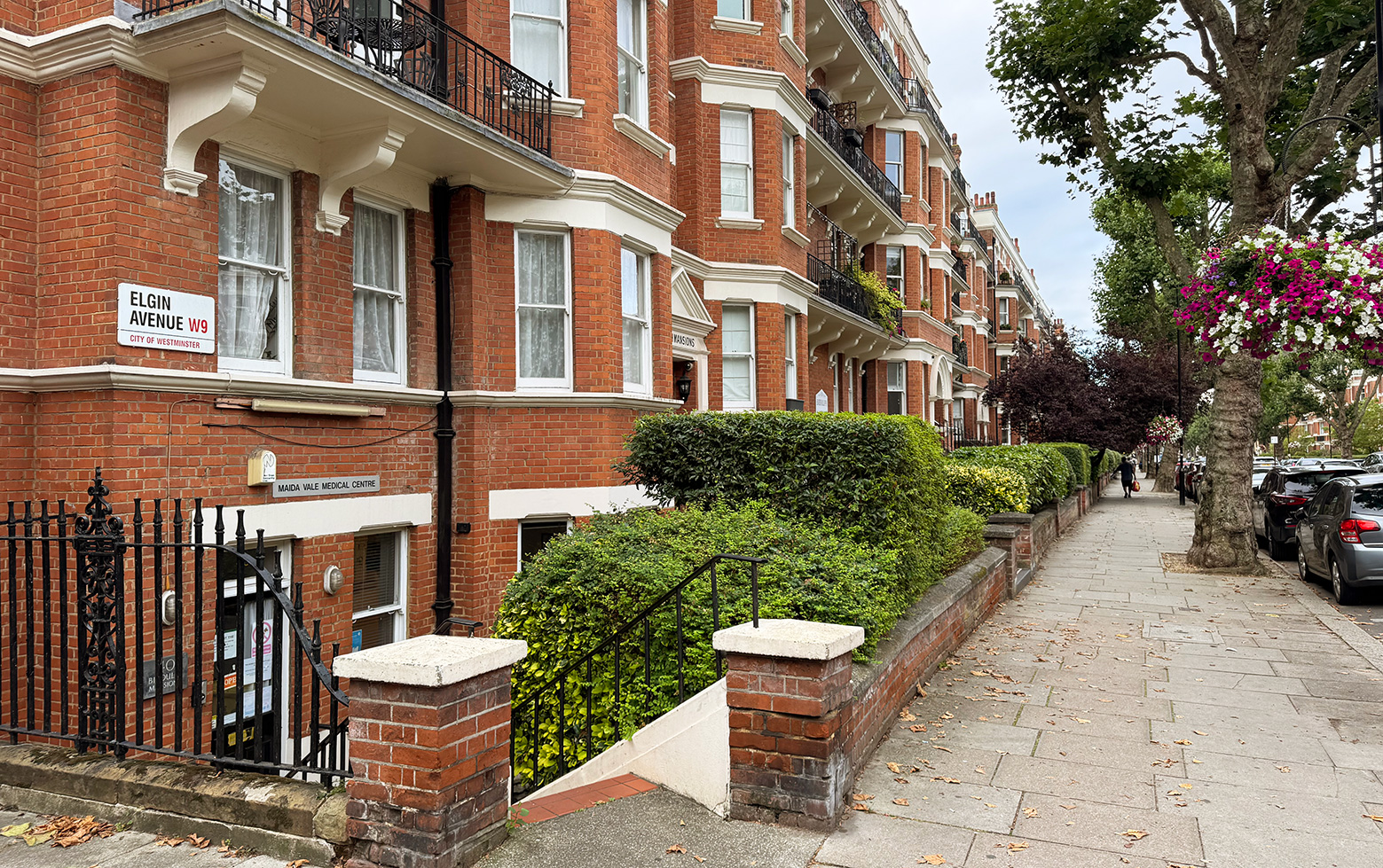
Probably the closest surgery to Morshead Mansions is the The Maida Vale Medical Centre. Situated at 40 Biddulph Mansions, Elgin Avenue, W9 1HT, it’s on the corner of Elgin Avenue & Biddulph Road.
Their website states ‘We are using an online service called ‘Register with a GP surgery’ that makes it easy to register with us. The service is run by the NHS, so your personal information is safe. It cuts our administrative workload and makes it easier for you to register.’
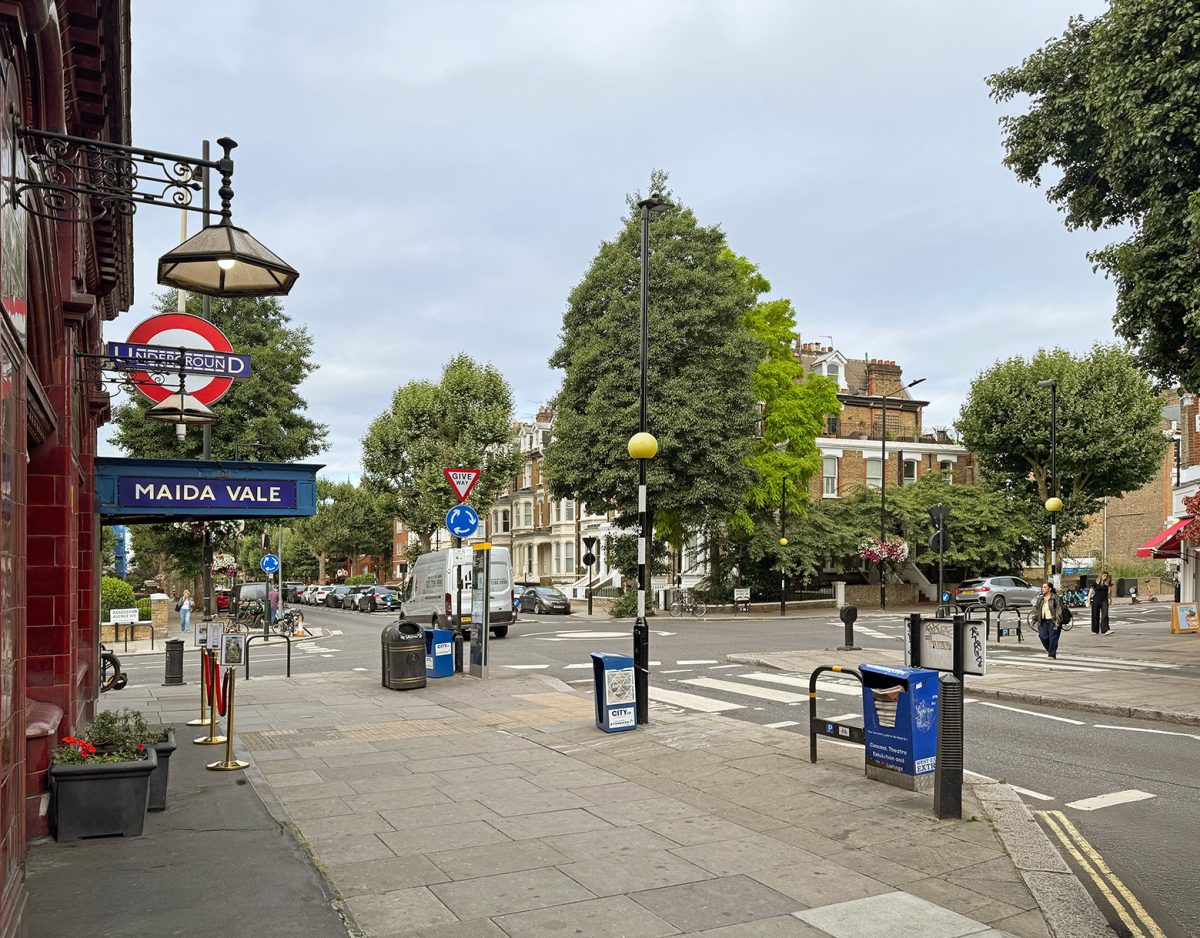
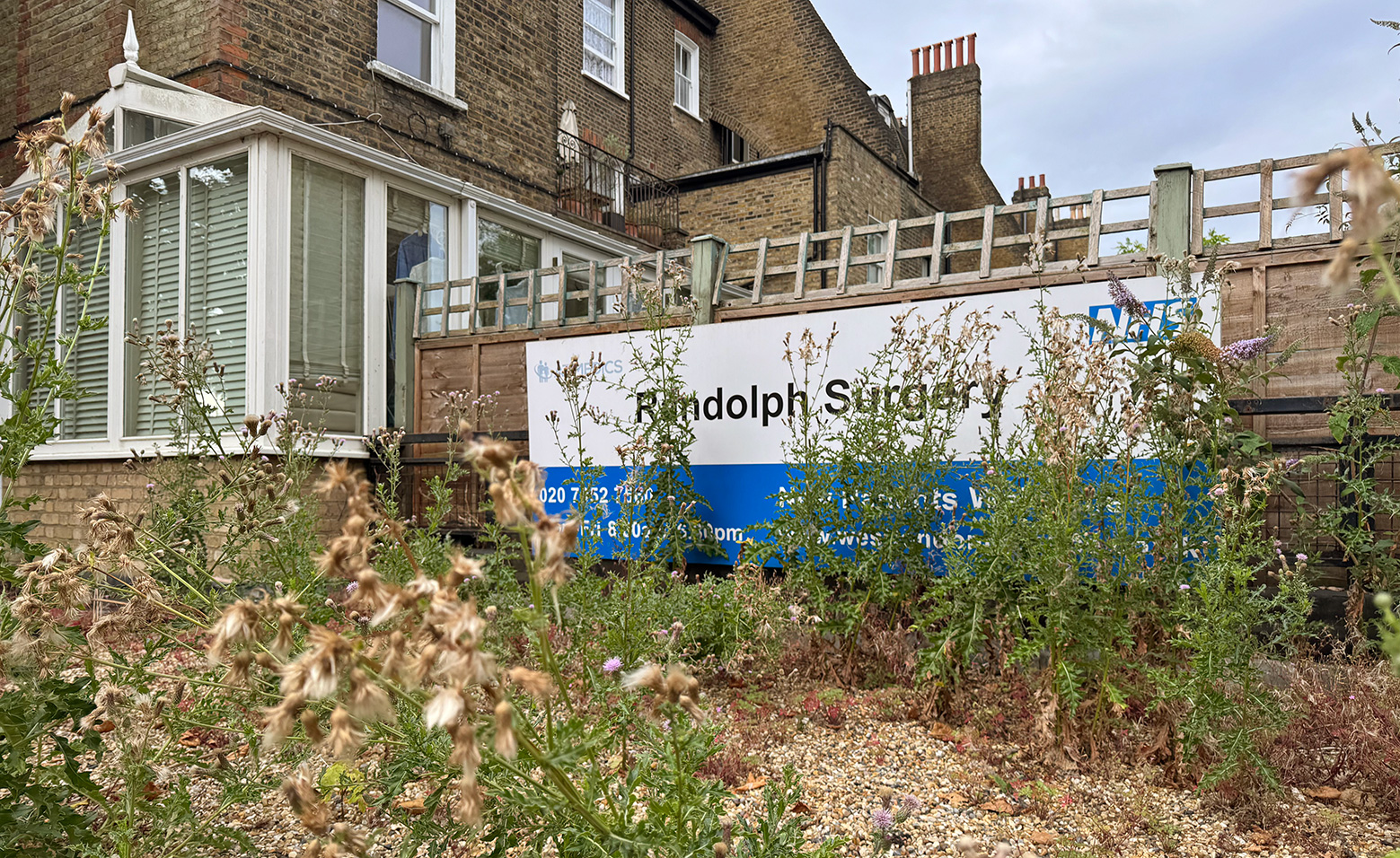
One of the oldest Maida Vale medical centres, The Randolph Surgery, is at 235a Elgin Avenue, W9 1NH. It’s on the corner of Elgin Avenue & Randolph Avenue, opposite Starbucks and Maida Vale Station.
They are open from 8 am to 6.30 pm Monday to Friday and you can register in person or online.
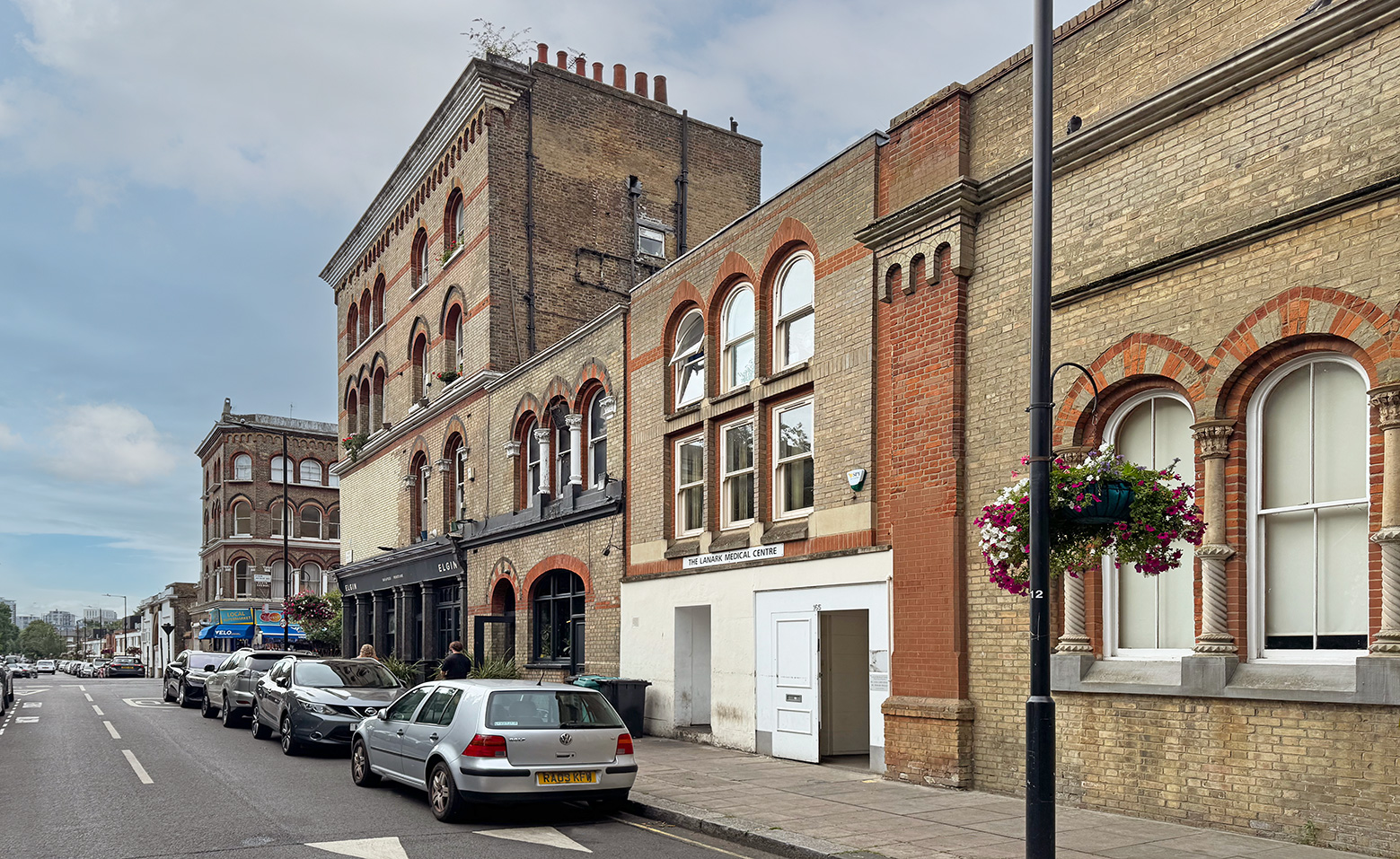
Easy to miss, The Lanark Medical Centre is just around the corner from the Elgin pub. It can be found at the 3rd Floor Medical Centre, 165 Lanark Road, W9 1NZ. Their website has an online registration form if you’d like to sign up.
A little further away but still in the Morshead Mansions catchment area, The Lanark Medical Centre is close to Little Venice, at 209 Harrow Road, W2 5EH.
Their website states ‘We welcome new patients who live across Westminster, Kensington and Chelsea, Brent, Central and Greater London. Registering is quick and easy and normally takes around 2 minutes. Whether you are a resident, student or professional working in the city, registering with us ensures quick access to health care when you need it most.’
We hope that you’ll find this post useful. If you’d like to find out more about services and resources available to Westminster residents, just click here – Living in Westminster
Come and join us for an afternoon of socialising, good food and fun!
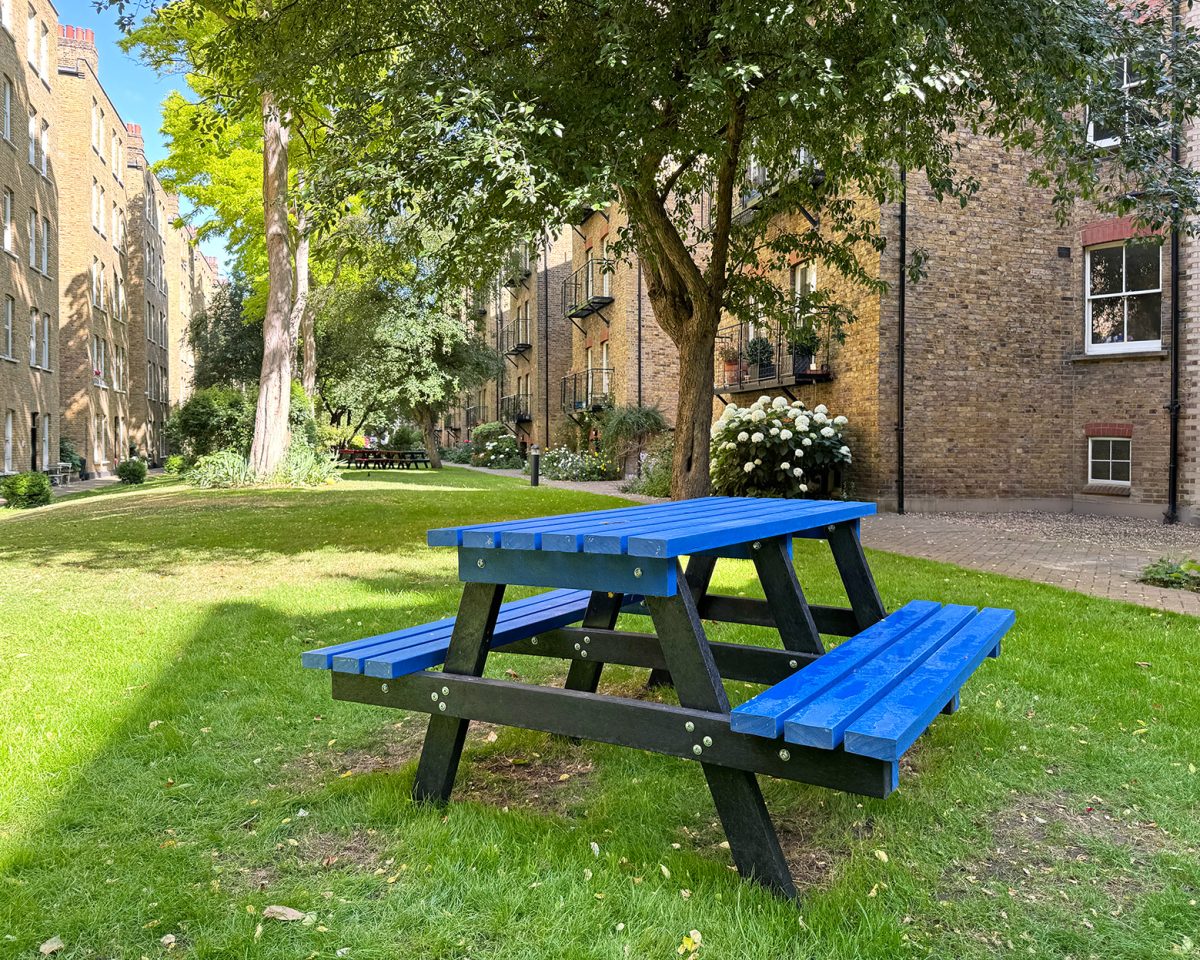
Sunday July 13th is the date for the Morshead Mansions Summer Garden Party! Join us between 1-5pm in the communal garden, where you’ll have a wonderful opportunity to relax, connect with neighbours and enjoy our beautiful, shared garden.
What will be happening?
There will be great food for those that have booked, a beautifully decorated garden tent, trestle tables and limited seating (priority for older and pregnant residents).
We’ll also be hosting traditional garden party games, such as egg and spoon and 3-legged races, which will be available for both children and adults.
Please bring your own alcoholic and non-alcoholic drinks, as alcohol will not be provided or sold at the event. Ice buckets and plastic glasses will be available. If you can only join us later in the day, feel free to bring your own drinks and join the fun!
We’d like to thank our event sponsors, local companies Compton Reeback Estate Agents and Beattie Construction Ltd, for their generous support and we look forward to seeing as many of you at our summer garden party as possible!
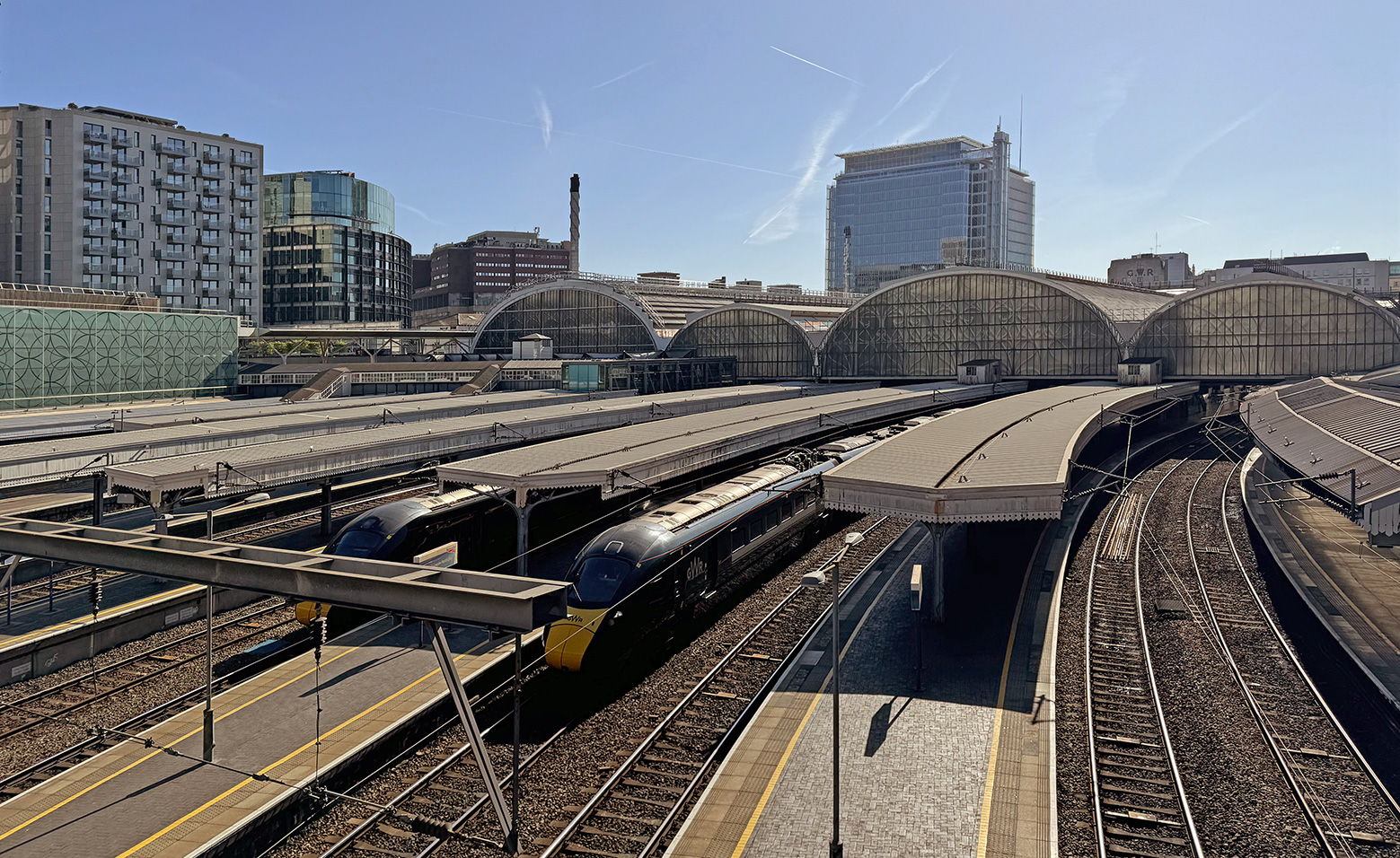
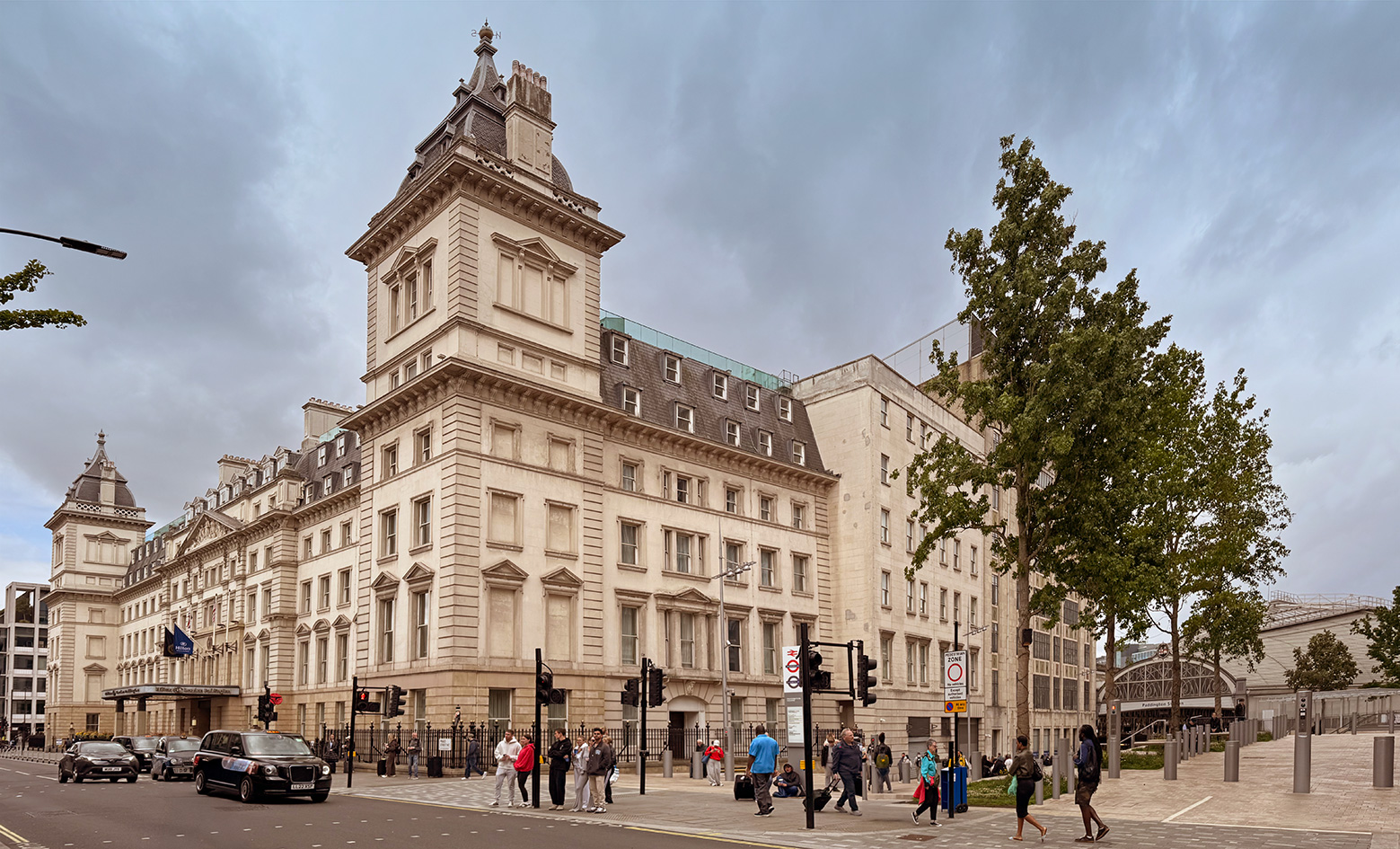
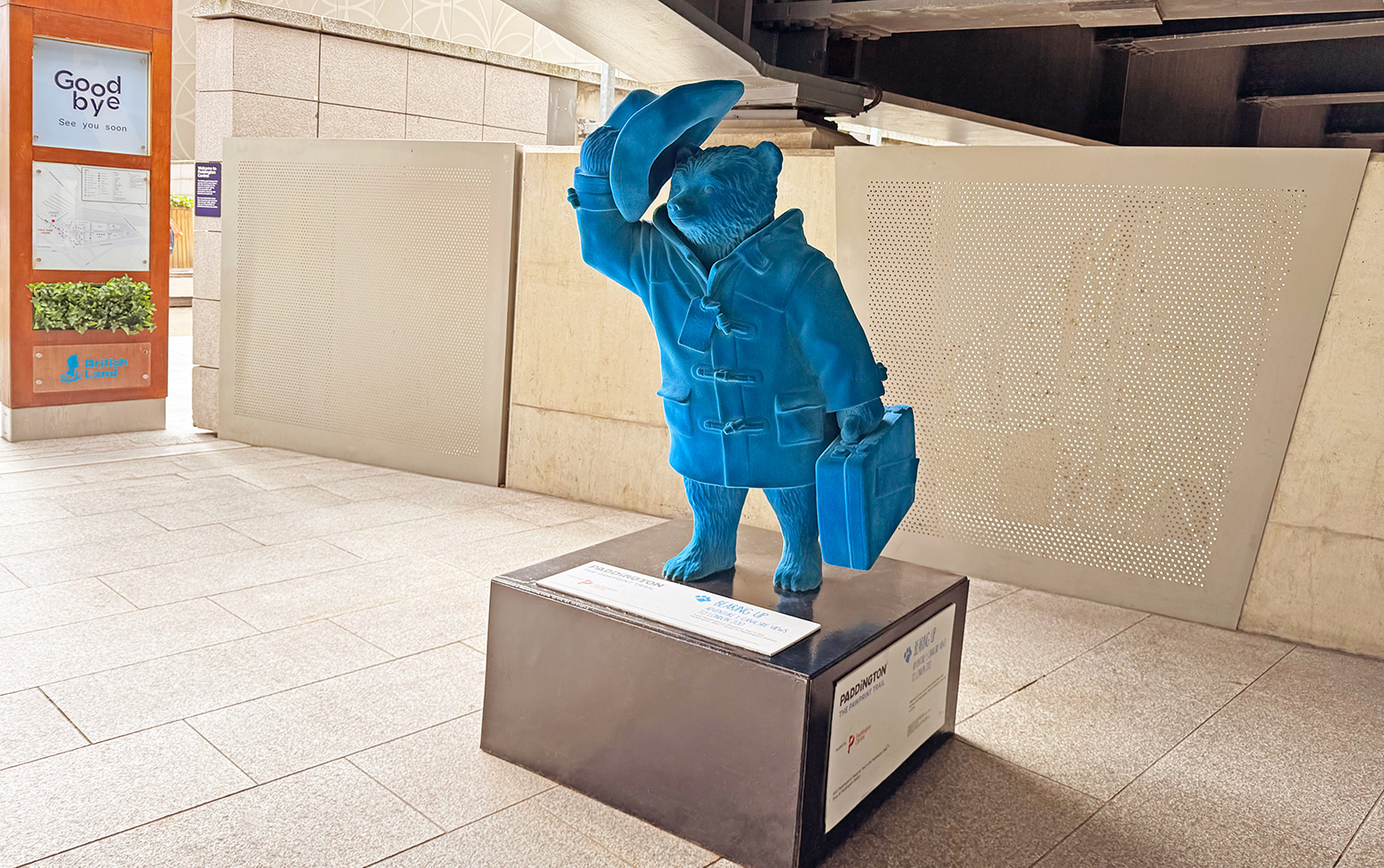
The closest London mainline station to Morshead Mansions is Paddington, which serves the western side of the country, all the way down as far as Penzance, in Cornwall. Officially known as ‘London Paddington’, it’s more commonly referred to simply as Paddington and is one of the most iconic and historic railway stations in London. The history of Paddington Station dates all the way back to 1838, and it’s a fascinating one…
The Early Years
Paddington Station was originally built to be the London terminus of the Great Western Railway. Designed by Isambard Kingdom Brunel, he was instrumental in the conception of a railway line from London to Bristol and intended it to be the best railway line in the country. The GWR originally planned their line to terminate at Euston, as using part of the existing London to Birmingham railway would have been cost-effective. Brunel, however, rejected this idea, concerned that it might allow Liverpool to compete as a port with Bristol.
Brunel originally planned for Paddington to be a grand building, close to both the Grand Union and Regent’s Canals. Before construction began, however, GWR decided to make substantial cutbacks, due to the soaring costs of building the main line. A temporary station was constructed instead, which opened on the 4th of June 1838 on the west side of Bishop’s Bridge Road.
Paddington Station Gets the Go-Ahead
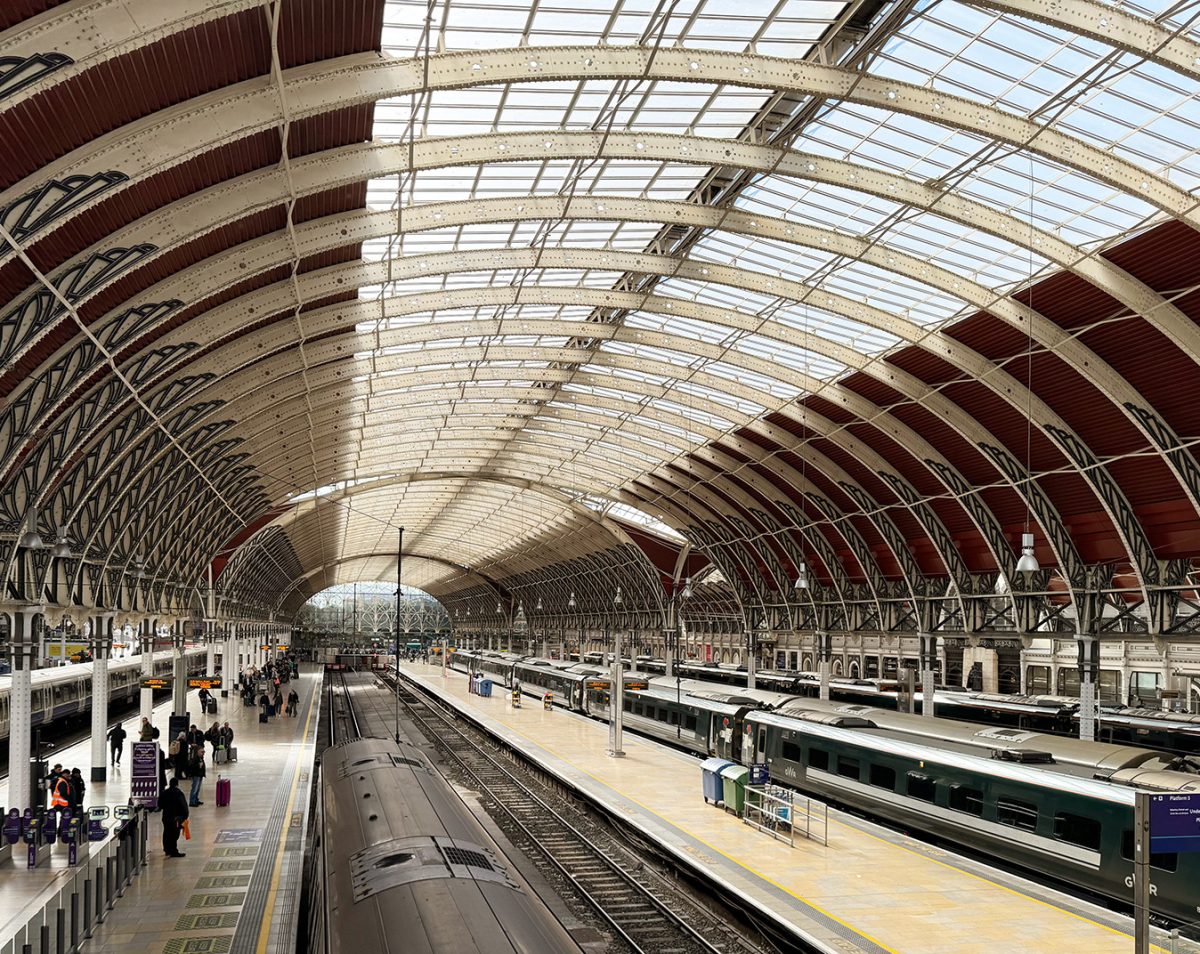
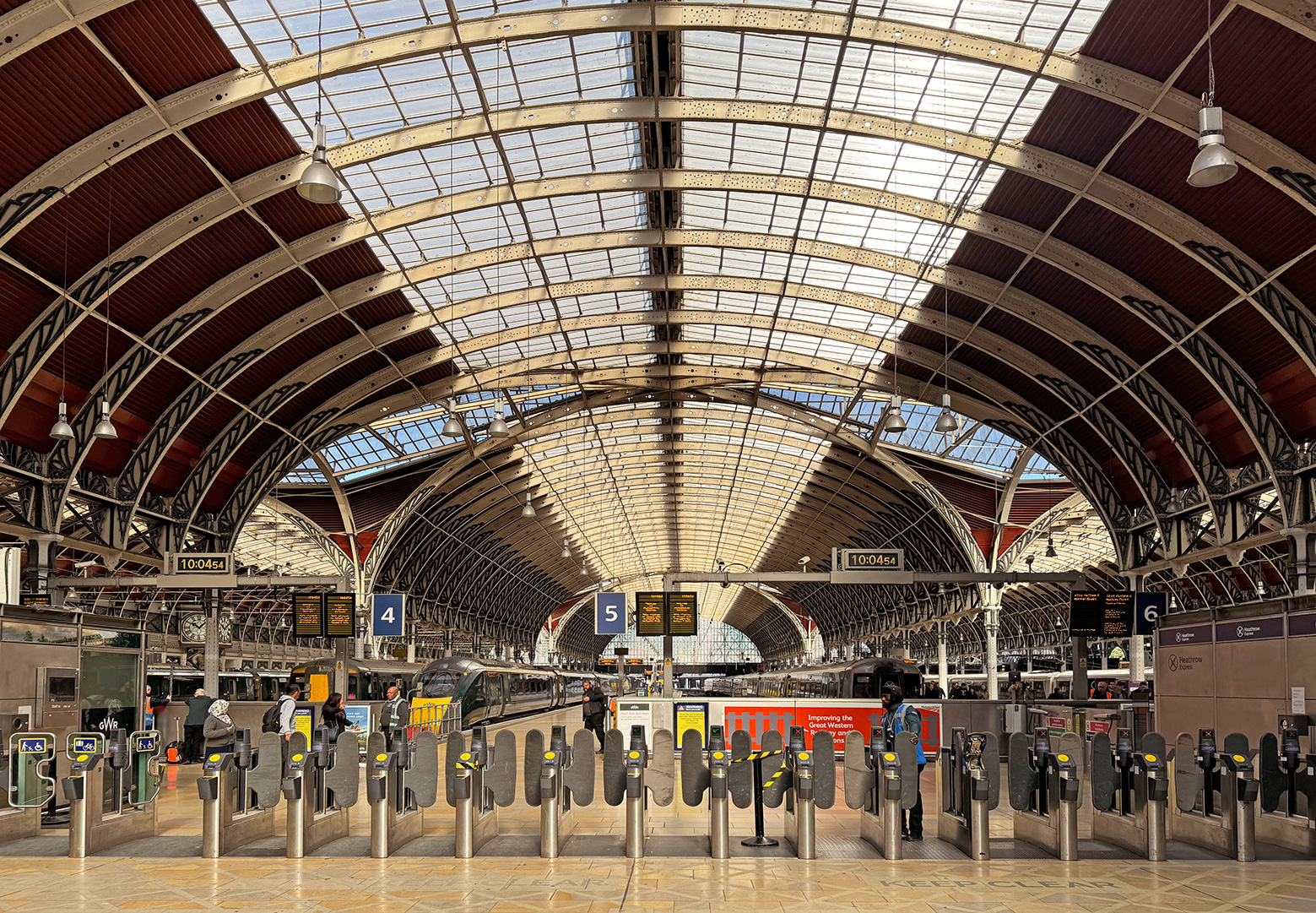
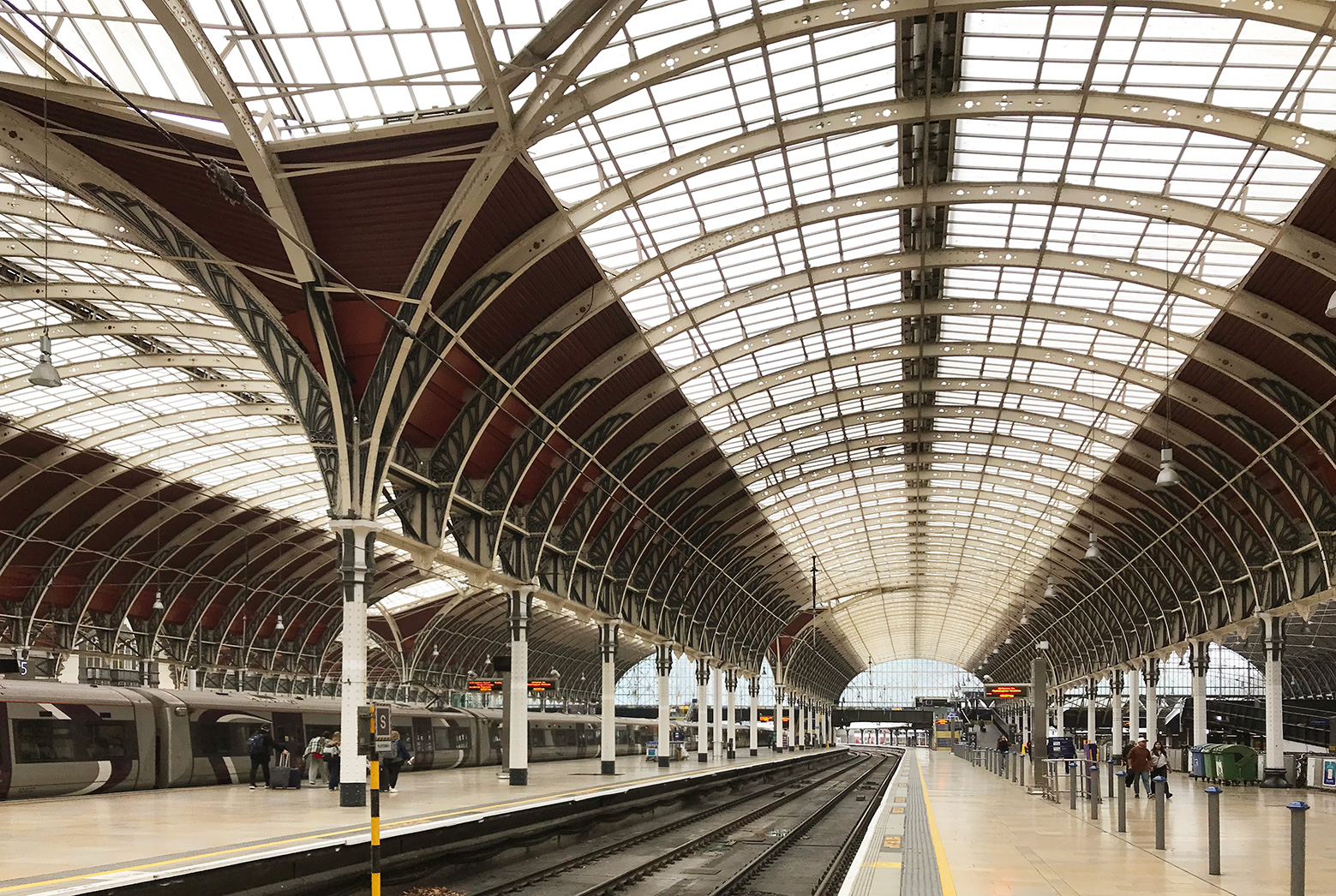
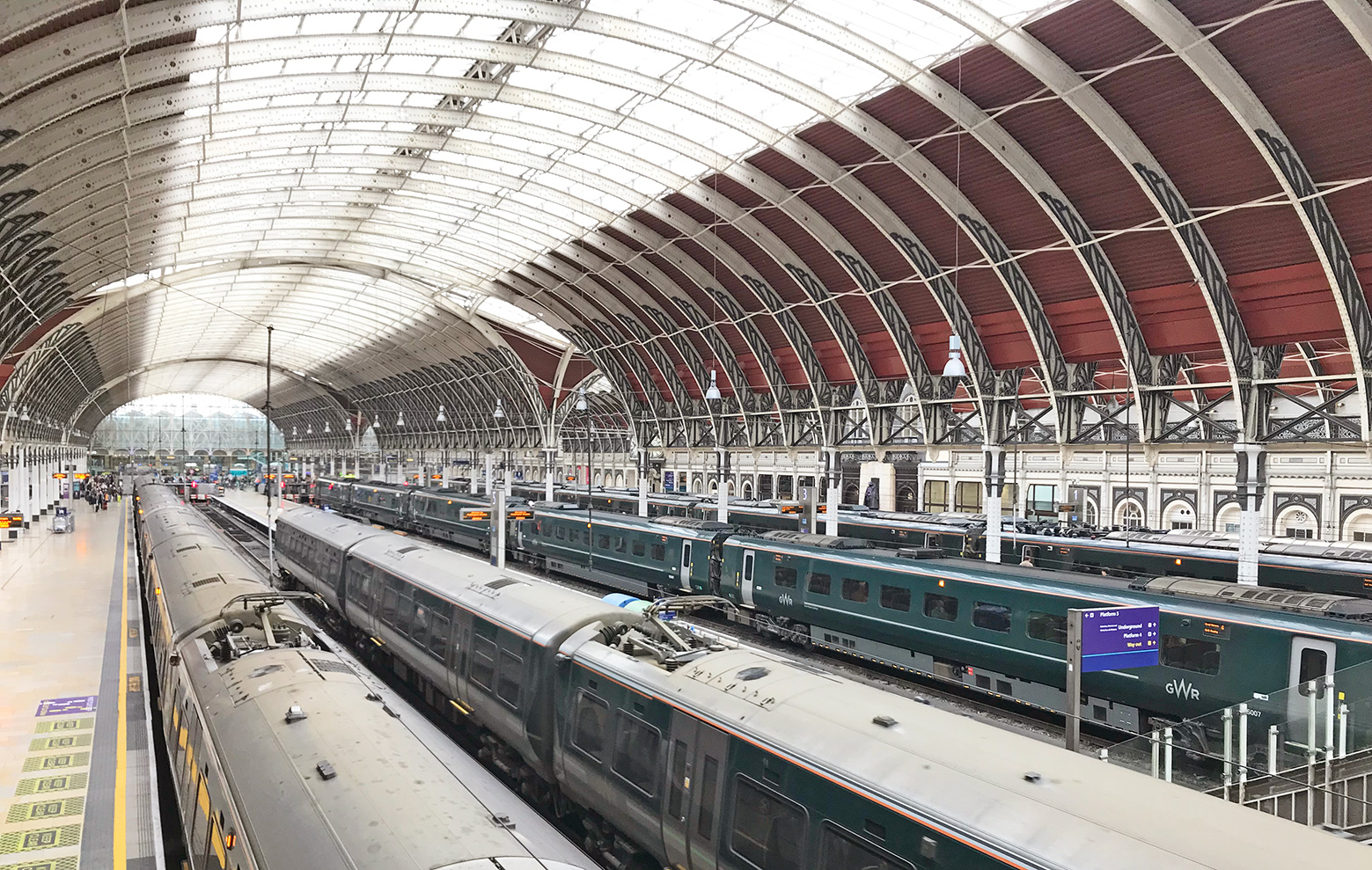
At that time, the mainline only stretched as far as Maidenhead. By 1850, the line through to Bristol was opened and to cater for the increase in traffic the GWR agreed to a new permanent station to be built between Bishop’s Bridge Road and Praed Street. Brunel was able to oversee this project and the history of Paddington Station was born. Being hugely influenced by the design of the Crystal Palace, Brunel used wrought iron and glass in Paddington’s roof, a feature that can still be seen clearly to this day. At the time, this was the largest train shed roof in the world. The station building on platform 1 had three oriel windows that overlooked the train shed and a royal waiting room for Queen Victoria.
The Infrastructure
Between 1851-1854, the Great Western Hotel was built at the front of the station on Praed Street. Opening on the 9th of June 1854, it had 103 bedrooms and 15 sitting rooms. Each corner featured a tower that had 2 additional floors above the 5 storeys of the main building. When first opened it was run by a consortium of GWR shareholders and staff, in 1896 the GWR took over operations completely.
The GWR began experimenting with electric lighting at Paddington station in 1880. Although the system was initially unreliable, it spurred the GWR on to a more ambitious lighting scheme in 1886, which ultimately showed that electricity was able to compete effectively with traditional gas lighting.
Linking the Underground
Paddington was also the first station in London to be served by the London Underground. In 1863, the Metropolitan Railway opened its line from Paddington to Farringdon Street, using steam locomotives. Later, other lines were added, such as the District Railway in 1868, the Bakerloo Railway in 1913, and the Hammersmith & City Railway in 1926.
The History of Paddington Station’s Expansion
When first built in 1850, the station was so large that it was more than capable of coping with the Great Western Railway’s expansion for the next 50 years. By 1904 though, more space was needed, both for greater passenger numbers and more employees, so further building works took place. Between 1913 and 1916, a 4th roof span was added to increase the number of platforms, which today houses platforms 9-16.
Surviving World Wars
Paddington was fortunate to sustain no damage during World War I, even though it was used for some of the country’s military movement. On Armistice Day in 1922, a memorial to GWR employees who died during the war was unveiled by Viscount Churchill. The bronze memorial, depicting a soldier reading a letter, was sculpted by Charles Sargeant Jagger and still stands on platform 1 to this day.
More expansion to the station took place in the 1930’s, which included the art deco office block on the western side of the station. Between 1933-1935, a new entrance was built on Praed Street. Despite surviving World War 1, the station came under attack several times during World War II. On 17 April 1941, the departure side of the station was hit by a parachute mine and on 22 March 1944, the roof between platforms 6 and 7 was destroyed by two 500-pound bombs.
Passenger traffic greatly increased through Paddington during the war, partly due to evacuation and also because holidaymakers chose to travel west, as large areas of the south and east coasts had been taken over by the military. The history of Paddington station tells us that on the 29th of July 1944, it was closed for three hours because the platforms were saturated with passenger traffic, while on the following August Bank Holiday crowds had to be controlled in ordered queues along Eastbourne Terrace by mounted police.
Modernisation
The last long-distance steam train left Paddington on the 11th of June 1965, signalling the complete switch over to diesel trains. The track layout was reorganised in 1967, abolishing the designated arrival and departure platforms that had been a feature of Paddington since its opening. The station concourse was enlarged in 1970 and the ticket office was rebuilt in the same year. In 1982, a bronze statue of Brunel, sculpted by John Doubleday, was erected on the station concourse.
During the 1990’s the station was extensively refurbished, with the glass in Brunel’s original roof being replaced with polycarbonate glazing panels. This was also around the same time that all trains were electrified. In 2000 a new terminal opened to cater for the Heathrow Express service and 2022 saw the opening of the Elizabeth Line, which runs from the west of London to the east, passing through Paddington station.
Paddington Station Today
According to the 2023–24 Office of Rail & Road Statistics, Paddington is the second busiest station in the UK, after Liverpool Street, with almost 67 million entries and exits annually.
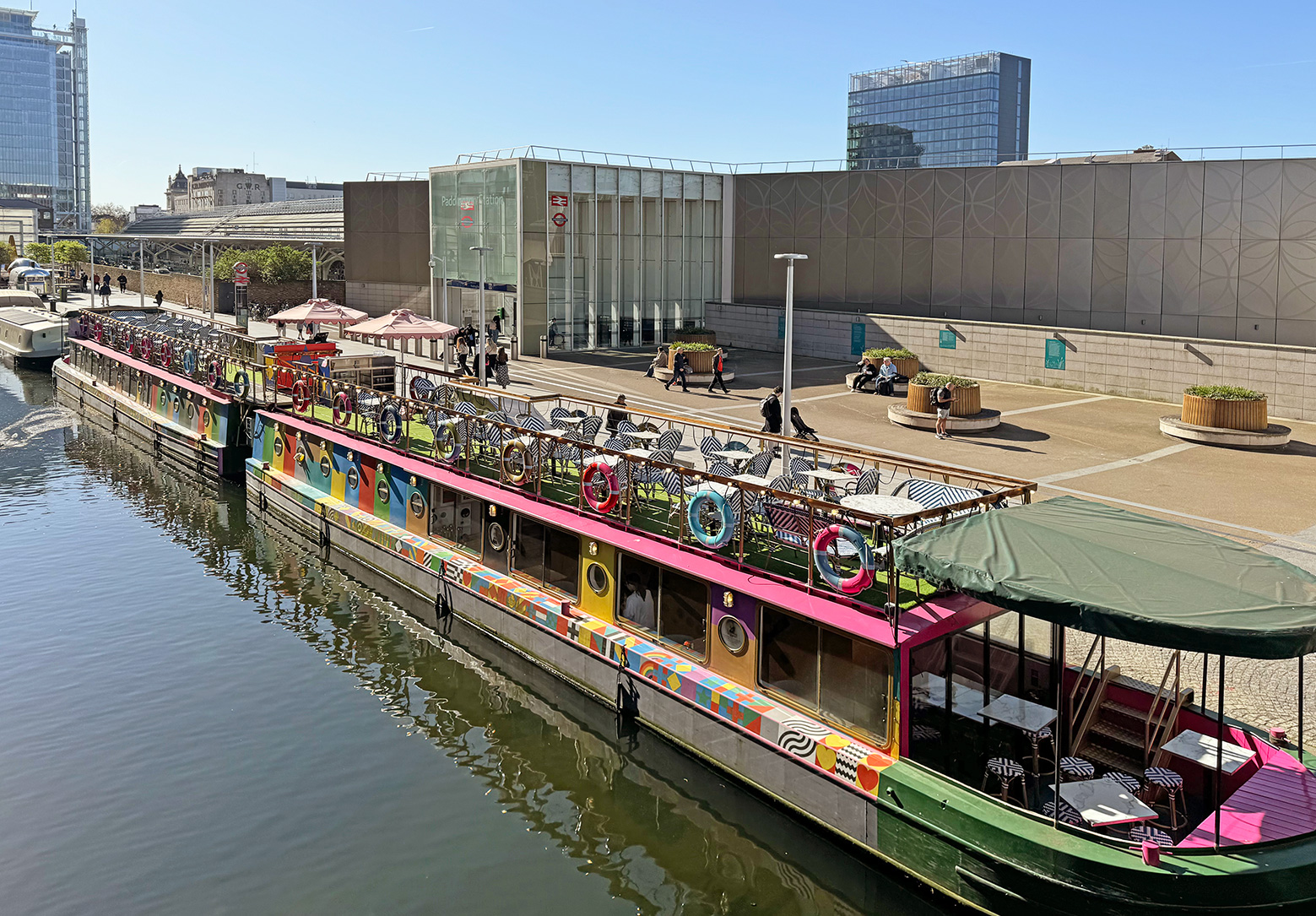
So, the history of Paddington station now spans almost two centuries and it’s definitely worth a visit if you haven’t ever travelled through it. Although it lies just 2 stops on the Bakerloo line from Maida Vale, if you’re feeling energetic it’s easily walkable. The walk itself is very picturesque, southwards down to Little Venice, into Paddington Basin and then just a little further along the canal. There’s a new modern side entrance by the canal and it’s a lovely area to sit outside and while away a sunny day…
If you’d like to read more about Paddington Station’s history, just head over to Wikipedia for a more detailed breakdown.
As the weather starts to warm up, the wildlife in the Morshead Mansions communal garden becomes a lot more active. It’s a timely reminder of how lucky we are to have such a wealth of resident garden birds. More commonly associated with life in the countryside, London is full of a wide array of diverse bird life, many of which can be found right outside our windows…
Wood Pigeons
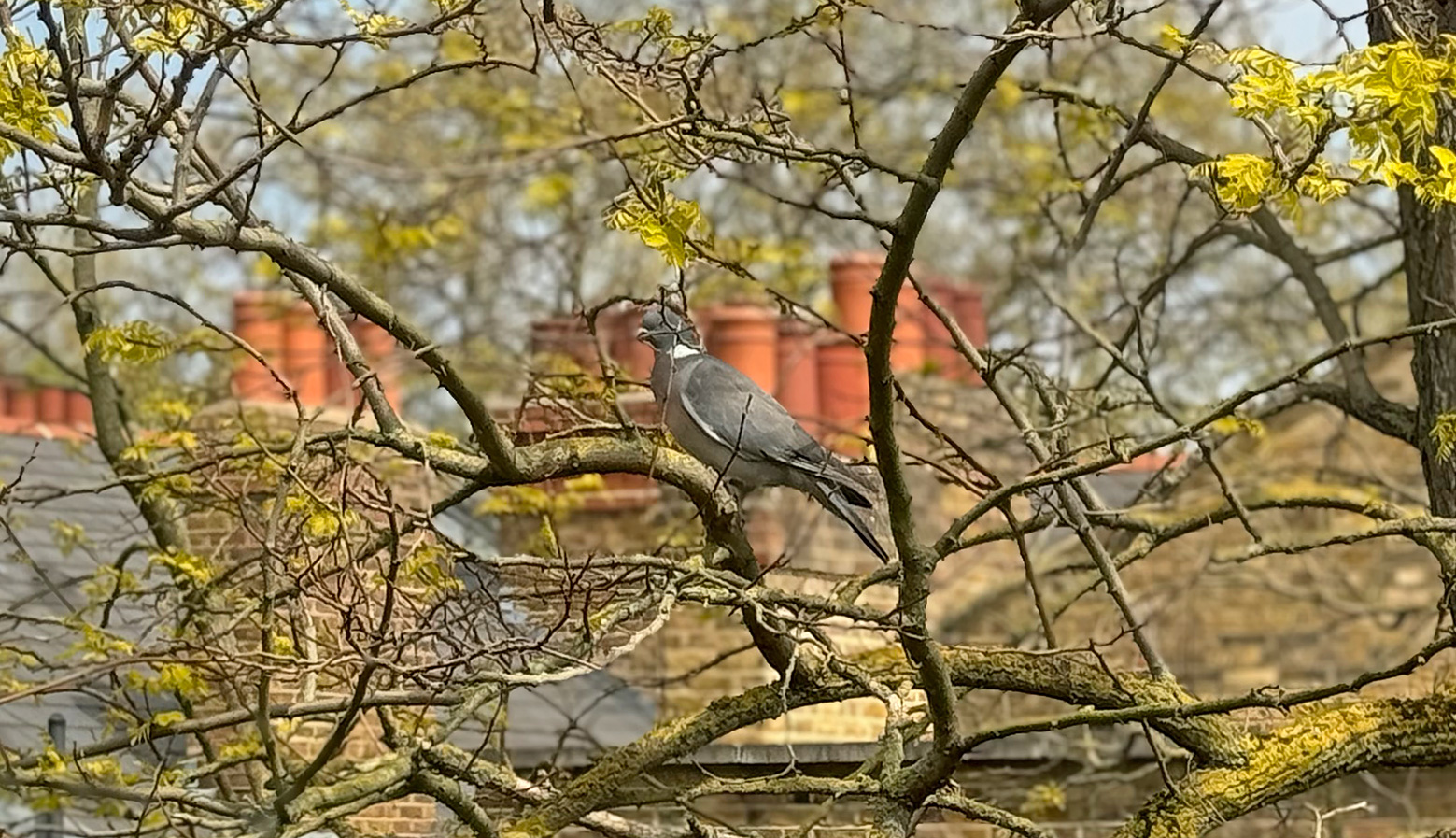
Probably one of the most common birds found in London are pigeons, which you will see pretty much everywhere you go. London Pigeons are usually Feral Pigeons, and the Morshead Mansions gardens have their fair share of these. They usually nest in chimneys, guttering or under the iron balconies. The Morshead trees though are also home to the Wood Pigeon, which is actually the most common pigeon in the UK. More likely to be found in the rural areas, it has become more urbanised in the last 30 years and is now a feature of the communal gardens.
Parakeets
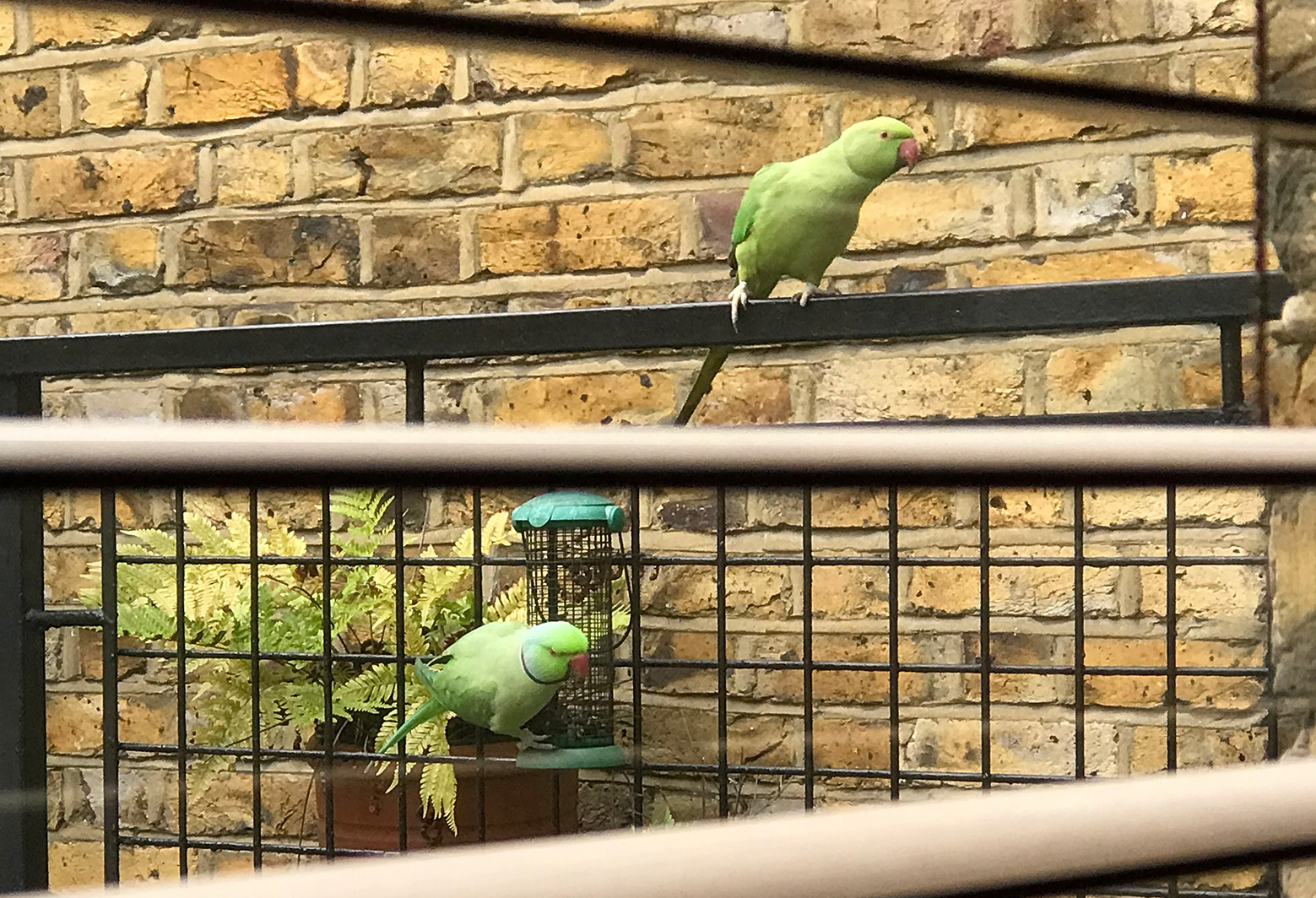
Also becoming a more common sight in London are bright green Parakeets. Not native to the UK, just how they came to exist here isn’t exactly known. There are several theories however, one of which is that they originally escaped from Ealing Studios in 1951 while being used for the filming of African Queen. Another is that they escaped from aviaries during the great storm of 1987. Yet another is that a pair of Parakeets escaped from a pet shop in Sunbury on Thames in 1970. However it happened, there’s no doubt that they seem to be here to stay and the last official count in 2012 recorded 32,000 Parakeets in London. They can often be seen, and heard, flying between the trees in the communal gardens.
Jays
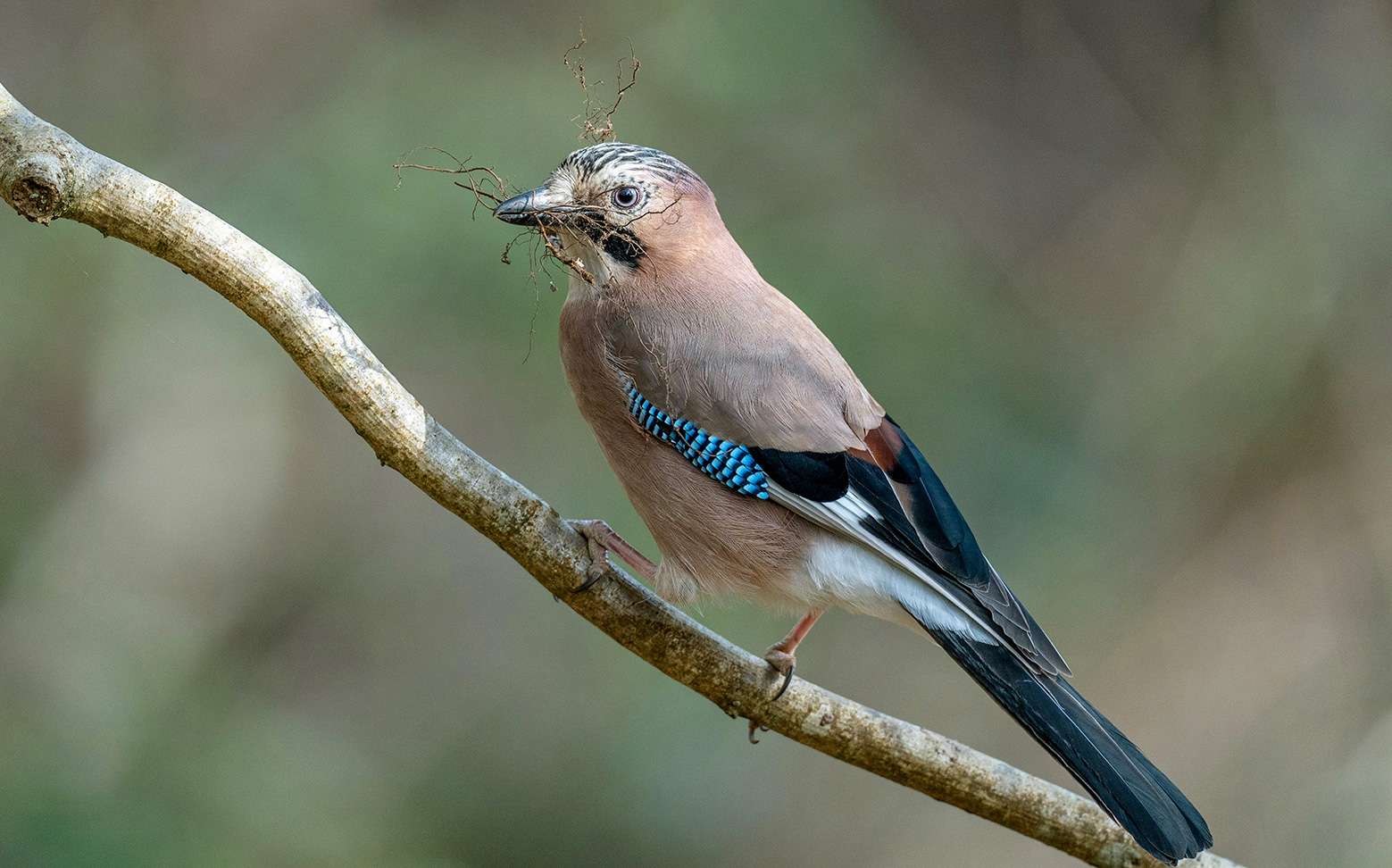
Another Morshead resident is the Jay. A colourful member of the Crow family, it is predominantly brown and features brilliant blue patches on its wings. Usually quite a shy bird, it’s most likely to be heard before it is seen, due to its very loud screaming call. They are present all year round but are most likely to be seen more often in the Autumn, when they are out searching for acorns, nuts and fruit, which they tend to store to see them through the winter. Apparently, the acorns that jays collect often get forgotten, growing into oak saplings and eventually trees.
Crows
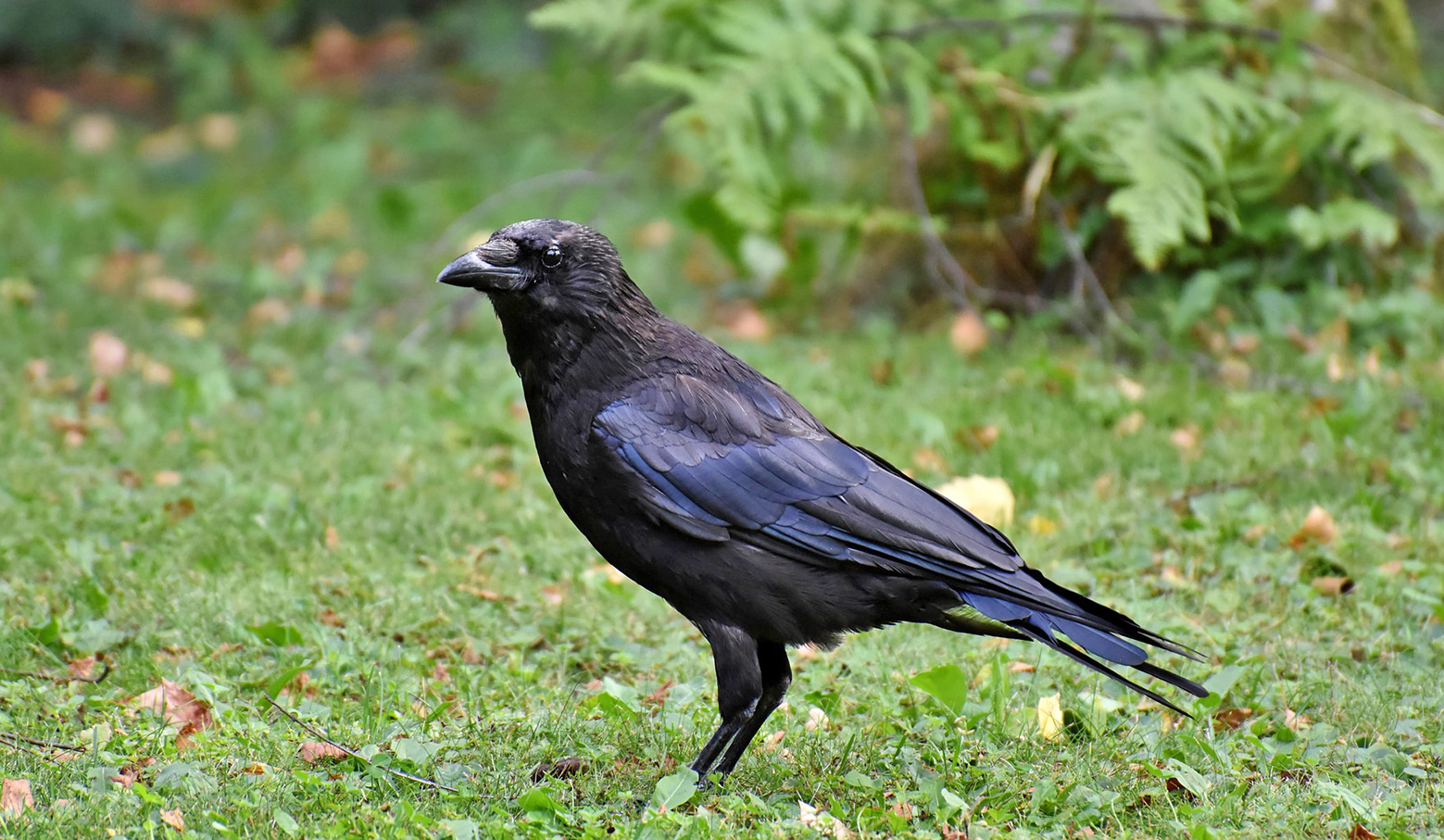
Including the Jay, there are actually 8 species of Crow in the UK. The most common, and the one most seen in the Morshead gardens, is the Carrion Crow. An intelligent and adaptable bird, it has thrived on the changes that humans have made to the landscape. It will eat pretty much anything, including food scraps, dead animals, fruit, worms, small mammals and other birds. It’s thought that as many as two million live in the UK, although they are usually solitary birds that are wary of any contact. This is another loud bird that is usually heard before it is seen.
Magpies
Also included in the Crow family is the Magpie, and this is one of the garden birds that is being seen more and more in Morshead in recent years. They are widely thought to be intelligent birds and have shown the ability to make tools, imitate human speech, grieve, play games and work in teams. Magpies are easily identified by their black and white plumage, long tail and green/blue/purple wing and tail feathers. They are known to be scavengers, thought to be attracted to bright objects, but can also be predators and pest controllers. Magpies generally mate for life but will occasionally form new partnerships if they lose a mate. Non-breeding birds or those without mates will tend to gather in flocks.
Robins
Often called the UK’s favourite bird is the Robin, easily identified by its red breast. It can be seen all year round and is especially associated with the Christmas season. Males and females look identical, although young Robins don’t have a red breast but one that is spotted and golden brown. Robins sing nearly all year round but despite their cute appearance, they are aggressively territorial and are quick to drive away intruders. The Robin is one of the garden birds that is traditionally known as a gardener’s friend, due to its main diet of worms, bugs and insects. In winter it will supplement its diet with berries and seeds.
Blue Tits
Last but not least and a welcome resident of our garden is the Blue Tit. Usually found in woodland, parks and gardens, they tend to nest in holes in trees but are just as happy to use nesting boxes. They are active feeders with a liking of insects and spiders but will happily visit bird tables and bird feeders, being particularly fond of nuts and seeds. It’s worth noting that if you hang feeders on your balcony to attract Blue Tits, it’s probably better to fill them with seeds rather than nuts, as the local squirrel population are also very keen on nuts and will happily scale walls all the way up to the top floor to find them!
So that’s a run-down of some of the garden birds that can be regularly spotted in the Morshead Mansions communal gardens. Keep an eye out this Spring and Summer and see how many you can identify!
To find out more about the Morshead Mansions communal gardens, click here.
A local look at another side of London’s diverse architecture – Trellick Tower
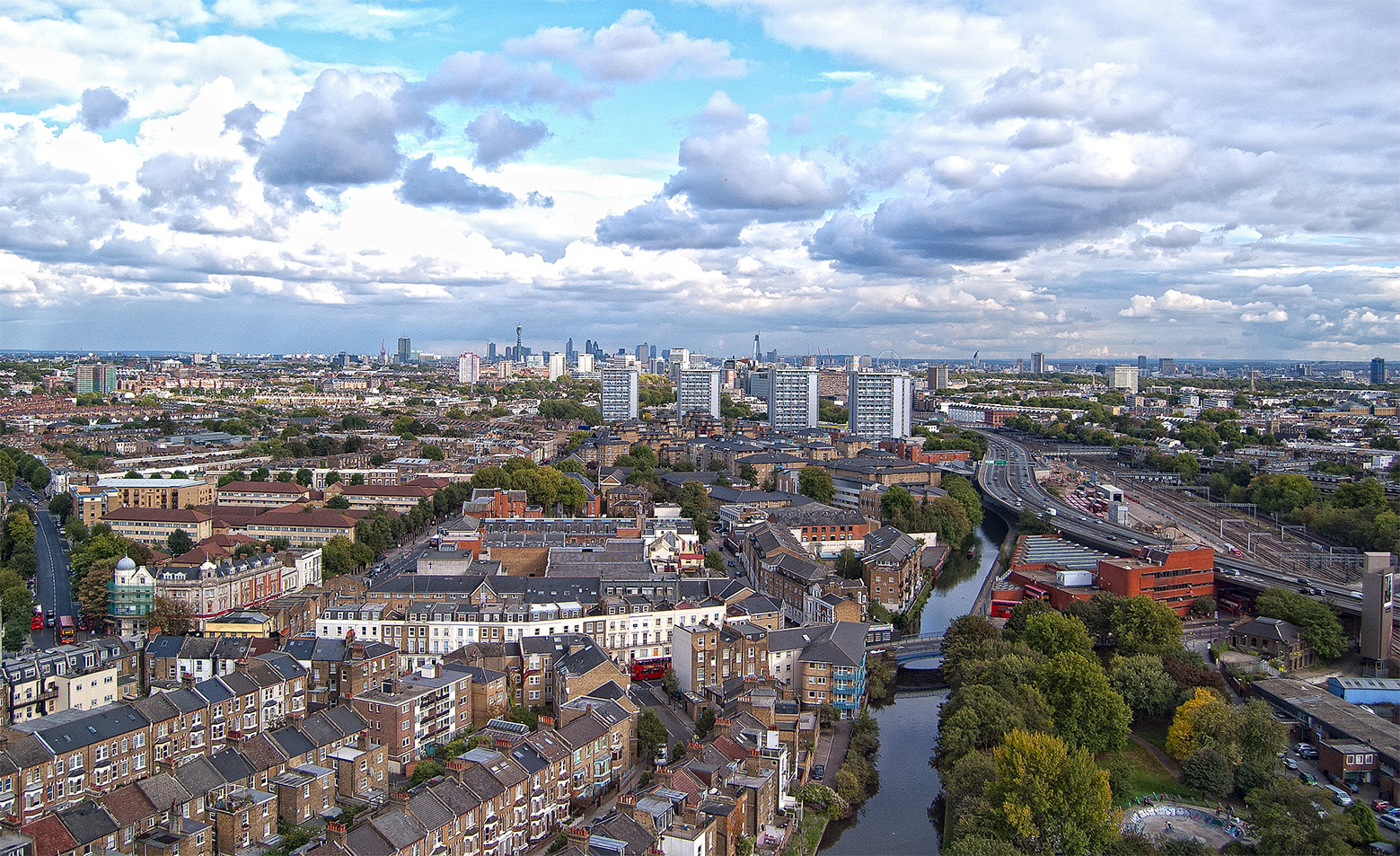
Living in Morshead Mansions we’re surrounded by classic red brick mansion blocks, built at the turn of the last century. Being immersed in this style, it can be easy to forget that London is full of buildings from many different eras, showcasing many different styles of architecture. One extreme and local example of this, Trellick Tower, can be found down past the end of Elgin Avenue, on the other side of the Harrow Road.
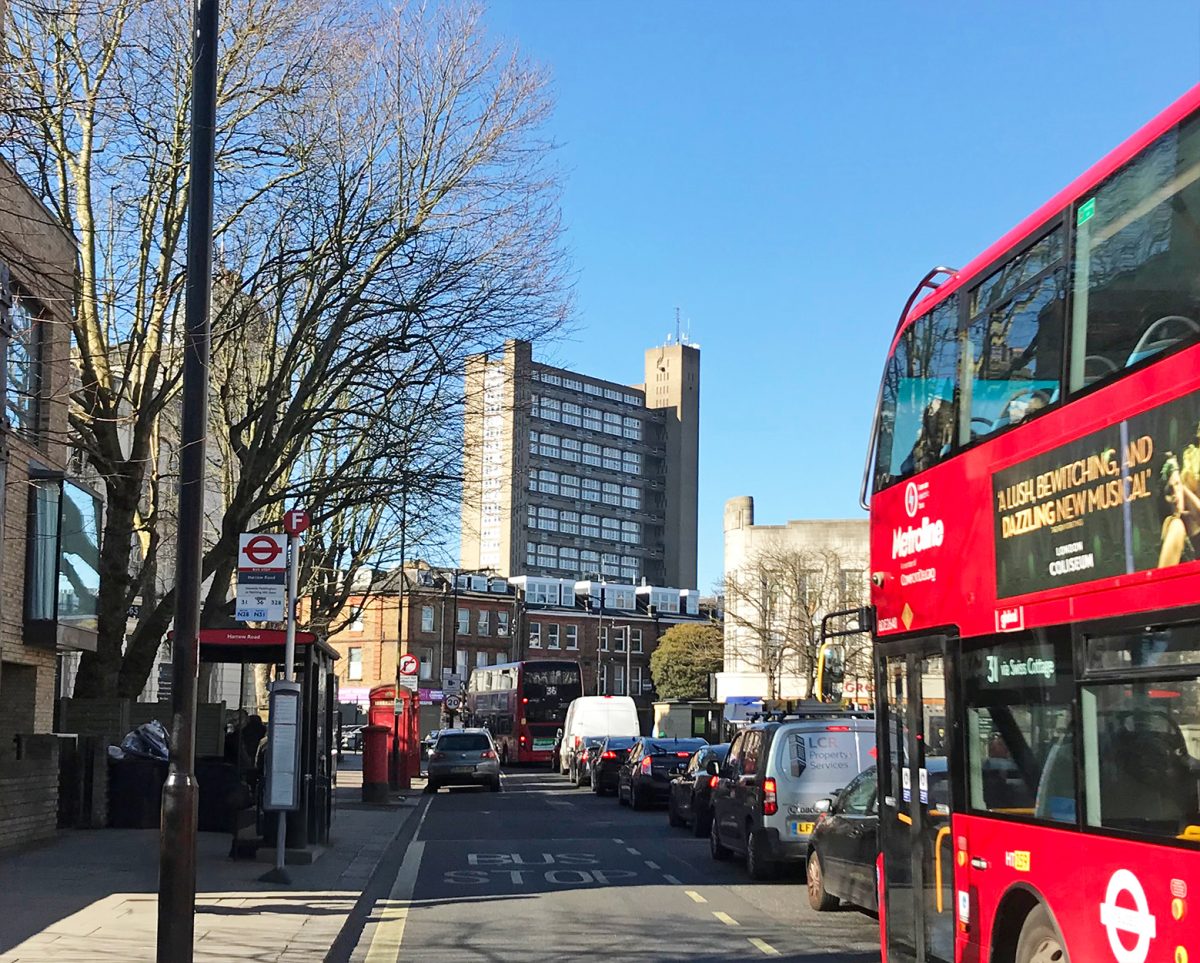
If you walk or drive west from Morshead Mansions, it’s hard to miss Trellick Tower as it rises into the skyline above the neighbouring buildings. It’s also visible from the eastern side of Paddington Recreation Ground and many other areas, including the Swiss Cottage interchange. To some people it’s viewed as a bit of a monstrosity, to others it’s a significant part of London’s architectural heritage. Like it or loathe it, being Grade II listed means that it’s here to stay!
The History
Construction of the block began in 1968 and was completed by 1972. Built in the Brutalist style, which was popular at that time, it was designed by Ernő Goldfinger, a Hungarian-born British architect and designer of furniture. Strongly influenced by Le Corbusier and Auguste Perret from his time in Paris, he moved to the United Kingdom in the 1930’s, becoming a key member of the Modernist architectural movement.
Also responsible for Balfron Tower in Poplar, East London, Goldfinger said that the whole object of building high was to free the ground for children and grown-ups to enjoy Mother Earth and not to cover every inch with bricks and mortar. The Original success of Balfron Tower, built 4 years earlier, was a big factor in Trellick Tower’ s creation.
Trellick Tower was commissioned by the Greater London Council, the aim being to modernise social living by using good quality materials and thoughtful layout. It included features such as variations in the arrangements of each apartment, sliding doors, light switches embedded into door surrounds and balconies finished in cedarwood.
Goldfinger learnt much from the Balfron Tower project, where he had moved into one of the apartments once completed in order to experience what life would be like for the tenants. He invited residents to his apartment for regular cocktail parties, to tell him their likes and dislikes. He then incorporated many of the insights into his new build.
The Building
Standing at a height of 322 ft, Trellick Tower has 31 floors in total. The long, thin design was ground-breaking at the time, with a separate lift and service tower accessing the building at every third storey. Flats above and below the corridor levels have internal stairs, while the 23rd and 24th floors are taken up by maisonettes, split over the two floors. There are 217 residences in total. The service tower is higher than the main structure and features a unique projecting plant room at the top, which houses the building’s heating system.
By the time Trellick Tower was completed, the idea of high-rise living was already starting to become unfashionable. Goldfinger had originally intended that potential tenants would be vetted, to foster harmonious communal living. He also planned for proper security and a concierge to be in place. However, due to budget restraints, the council declined to allow these requests. The result was that the building was open access and many rough sleepers and drug users would frequent the corridors. Drying rooms on the ground floor, designed by Goldfinger to stop tenants hanging laundry on the balconies, were vandalised even before the tower block opened.
The early years
By the late ‘70’s, the area was rife with crime, anti-social behaviour and prostitution. Following a series of incidents, including a pensioner falling down the stairs to her death while the lifts were out of order and a woman being raped on the 27th floor, the tower became known as the ‘Tower of Terror’, with many residents demanding to be re-housed elsewhere.
Originally owned by the GLC and then subsequently by the Royal Borough of Kensington & Chelsea, the apartments were rented out as council flats. In the early ‘80’s, Margaret Thatcher introduced the ‘Right to Buy’ scheme, enabling tenants to buy council properties they were living in. Several Trellick Tower residents did so and in 1984 formed a new resident’s association. As a result of this, security was improved, a concierge was finally hired and experience of living in the building dramatically improved.
Trellick Tower today
These days, many of the apartments have been sold and bought by private buyers, the spectacular views over the London skyline being a big selling point. The surrounding area generally has become more gentrified and residences in Trellick Tower more sought-after, both to buy and to rent. Although the majority of the flats are still classed as social housing, a significant number are now privately owned.
Trellick Tower was the last major project that Ernő Goldfinger worked on. His reputation suffered as concrete tower blocks became unfashionable and he died in 1987, before it was awarded listed status. Before World War II he built 3 houses, including his own at 1-3 Willow Road, in Hampstead. No 2 Willow Road is now managed by the National Trust and is open to the public. Preserved as it was when he lived there with his wife Ursula, Goldfinger himself designed much of the furniture and the house also contains a significant collection of 20th-century art.
Although still dividing opinion, Trellick Tower is now considered to be a significant part of London’s architectural history. If you’d like find out more about the building and get the chance to see it close up, keep an eye on the Open House Festival, which happens each year in September. Trellick Tower is often included as one of the properties that you can view, so you could explore it in more detail and decide for yourself!